The Ultimate Guide to Ordering Custom Furniture from Jepara for Your Home
When designing a home, there often comes a moment of frustration: you have a highly specific vision for a dining table, a uniquely shaped reading nook, or a massive built-in bookcase, but the retail market simply does not have what you need. Mass-produced items rarely fit perfectly into idiosyncratic spaces, and local bespoke carpenters in North America or Europe can be prohibitively expensive.
This is exactly why interior designers and savvy homeowners turn to Central Java, Indonesia.
By commissioning pieces directly from the source, you gain access to world-class craftsmanship and premium solid teak at a fraction of Western retail prices. Here is your ultimate, step-by-step guide to successfully ordering custom furniture directly from the carving capital of the world.
Why Choose Jepara for Bespoke Woodworking?
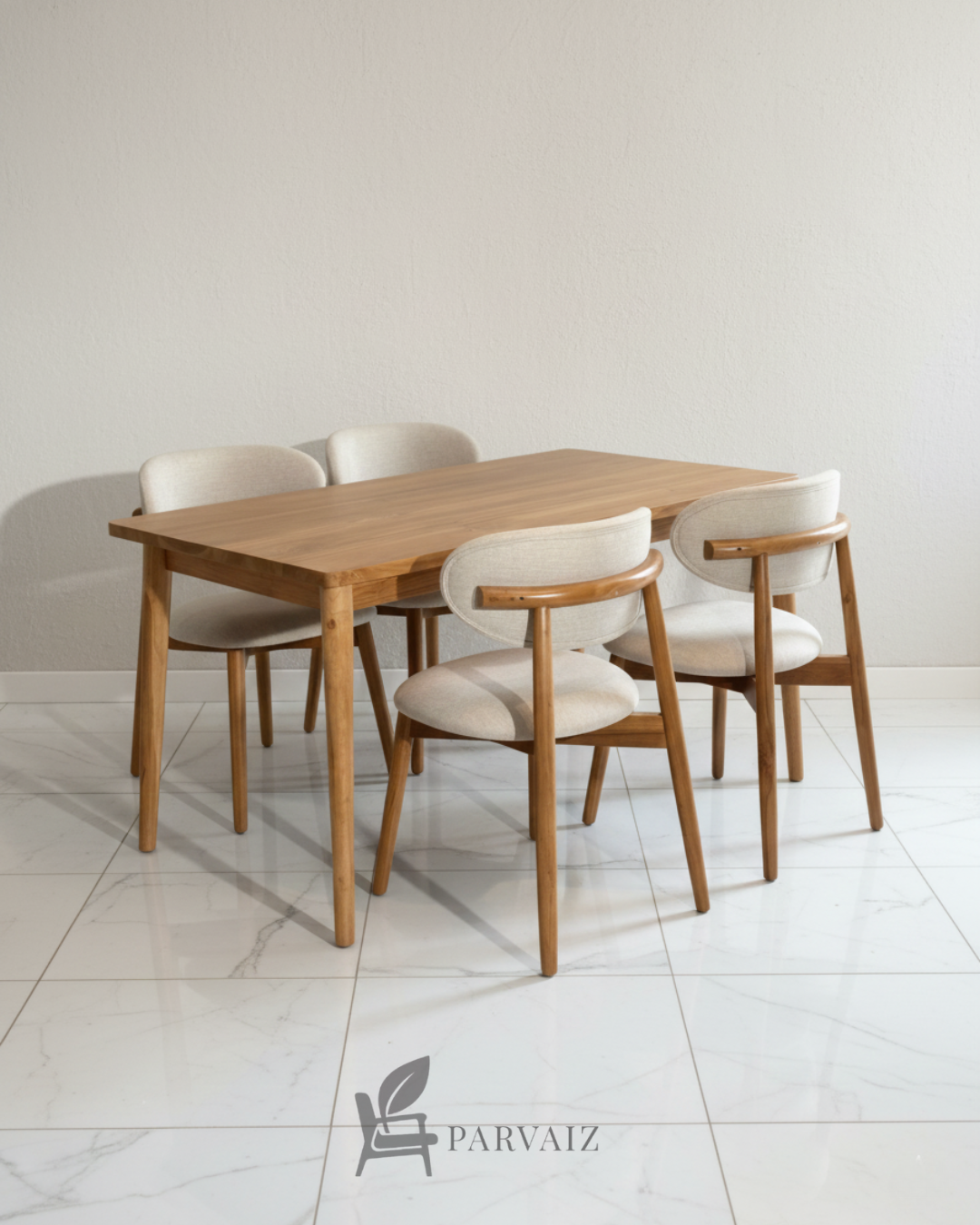
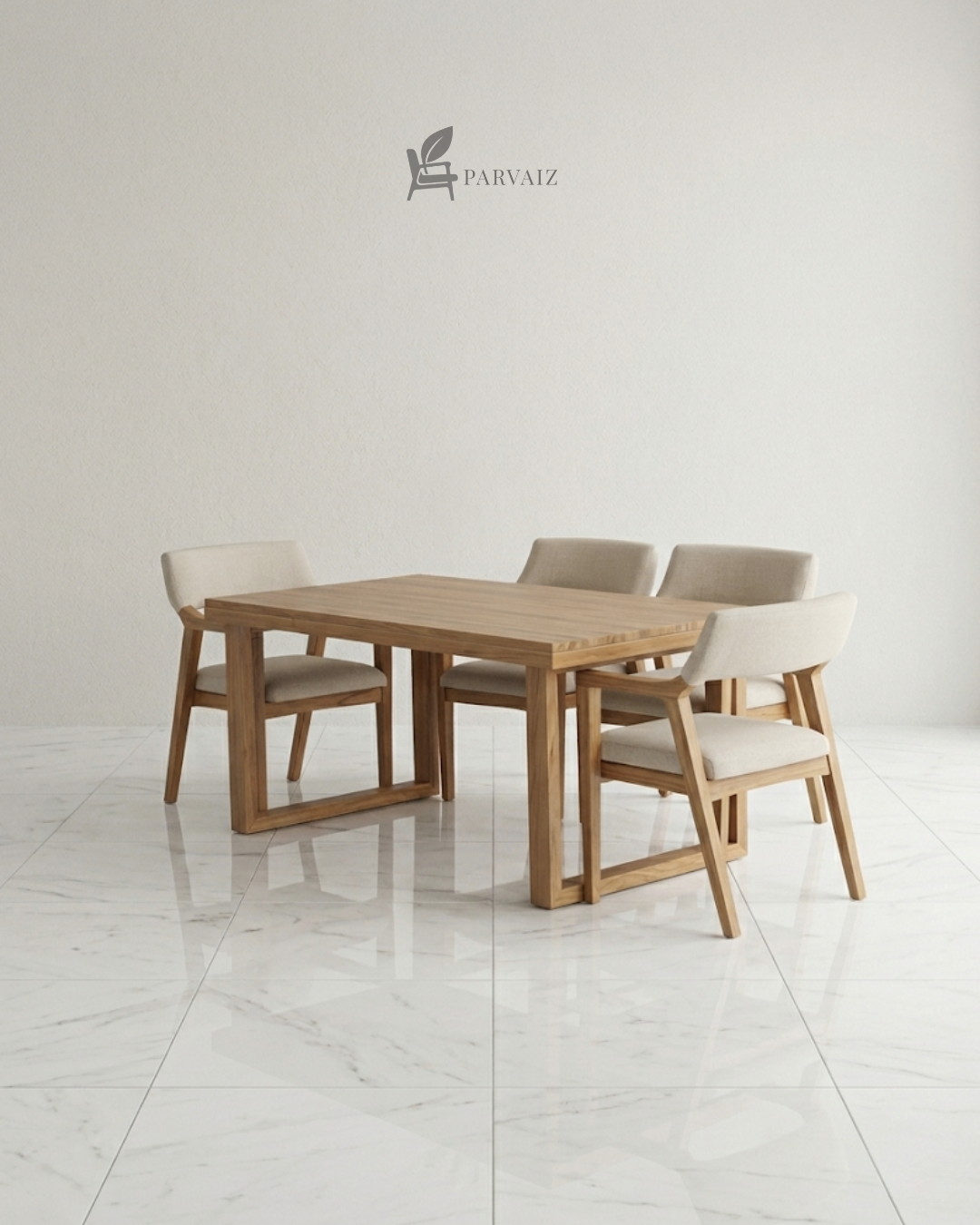
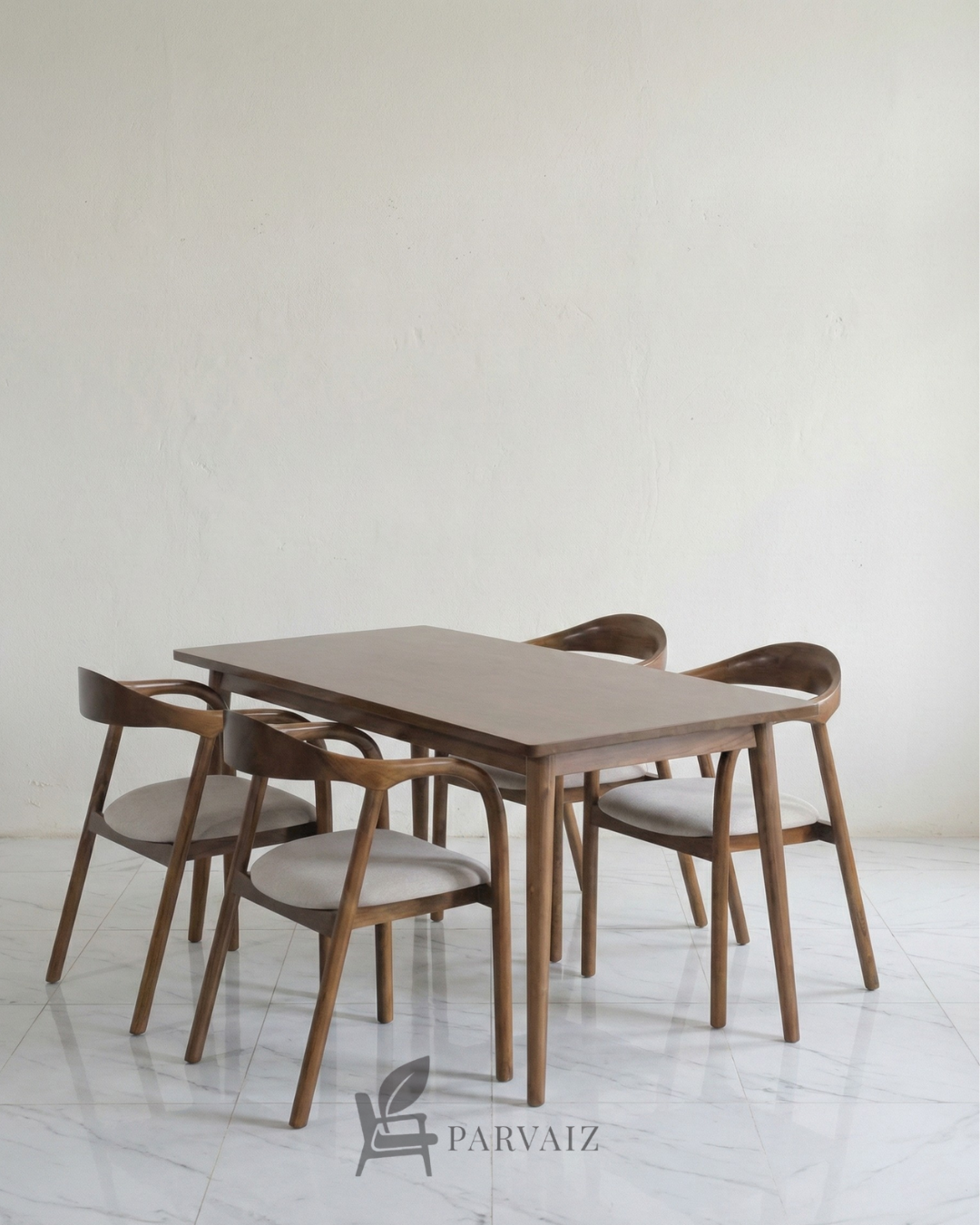
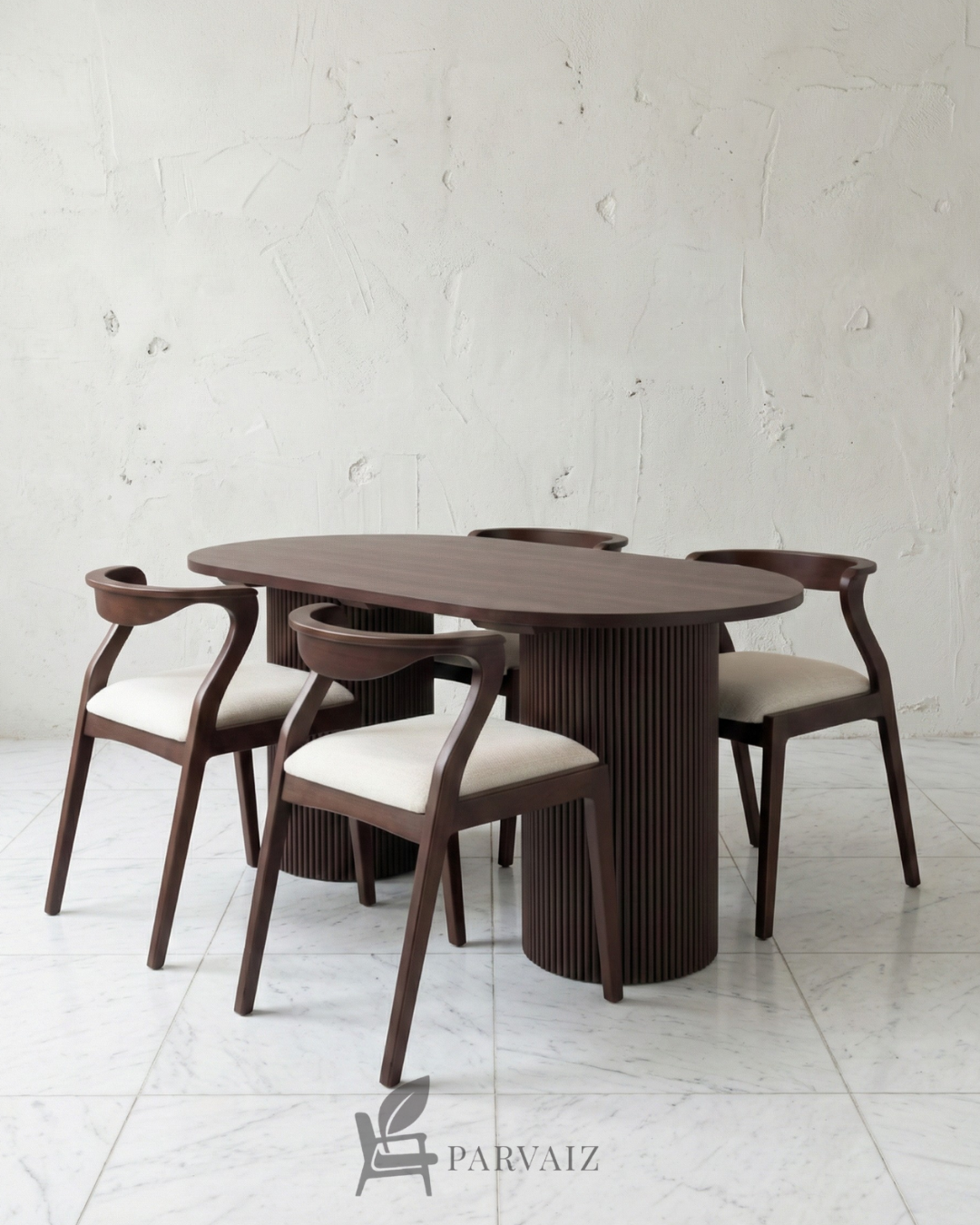
For centuries, the artisans of this coastal regency have honed their woodworking skills, passing down techniques through generations. When you invest in authentic Jepara furniture, you are not just buying a wooden box; you are commissioning a piece of functional art.
The region offers two distinct advantages for bespoke orders:
Material Superiority: Access to government-regulated, Grade A Perhutani teak. This wood is incredibly dense, rich in natural oils, and capable of lasting lifetimes.
Artisanal Flexibility: Unlike automated factories that can only punch out predetermined shapes, local craftsmen can execute everything from hyper-ornate classic French carvings to ultra-sleek, Japandi-style minimalist lines.
Step 1: Conceptualization and Measurement
Every successful bespoke project begins with clear communication. Since you are likely coordinating this project from thousands of miles away, precision is key.
Gather Visual References: Create a mood board using Pinterest, architectural magazines, or sketches. The more visual data you can provide your manufacturer, the better.
Measure Accurately: Measure the exact space in your home. Be sure to account for doorways, stairwells, and elevators to ensure the finished custom furniture can actually be delivered into your desired room.
Determine the Function: Will this piece be placed outdoors? Will it hold heavy items like a marble sink or a television? The manufacturer needs to know the functional stress the piece will endure to engineer the correct joinery.
Step 2: Vetting Your Manufacturing Partner
Not all workshops are equipped to handle bespoke international orders. You need a B2B export manufacturer, not just a local roadside vendor.
Look for a partner who offers dedicated English-speaking project managers. Crucially, ask for their SVLK certification to guarantee the wood is legally and sustainably harvested. A reputable exporter of Jepara furniture will gladly share their portfolio of past custom projects and explain their kiln-drying process, which is mandatory to prevent the wood from cracking once it reaches your climate.
Step 3: The 3D Rendering Phase
Never allow a manufacturer to cut into premium teak based on a rough sketch. The hallmark of a professional exporter is their in-house drafting team.
Once you submit your ideas and dimensions, the manufacturer should provide you with detailed CAD (Computer-Aided Design) drawings or 3D renders. This allows you to see the exact proportions, the thickness of the legs, and the depth of the seating before production begins. This is your opportunity to request revisions until the design is 100% perfect.
Step 4: Production and Finishing
Once the blueprint is approved, the true artistry begins. The manufacturer will select the raw timber, run it through the kiln-drying ovens to achieve an 8% to 12% moisture content, and begin shaping the wood.
During this phase, request weekly photo or video updates. Seeing your piece come to life is one of the most exciting parts of ordering custom furniture.
Finally, you will choose the finish. Do you want a raw, sanded look? A protective clear matte polyurethane? Or a rich, dark walnut stain? Your manufacturer will apply the finish and send final, high-resolution photos for your approval.
Step 5: Navigating International Shipping
The final hurdle is getting the furniture from the workshop in Central Java to your living room. A premium manufacturer will handle the complex export logistics for you.
For smaller residential orders, they will arrange LCL (Less than Container Load) shipping, where your heavily crated piece shares container space with other goods. They will manage the bill of lading, fumigation certificates, and customs declarations, typically offering "Door-to-Port" or "Door-to-Door" services through reliable freight forwarders.
While the process of designing, building, and shipping across the ocean requires patience often taking 10 to 14 weeks from concept to delivery—the result is a flawless, one-of-a-kind masterpiece that perfectly anchors your home.