Jepara Furniture vs. Bali Furniture: How to Blend Two Iconic Indonesian Styles
Indonesia is a global powerhouse of interior design, but it is not a monolith. The archipelago offers an incredible diversity of aesthetic styles, with two regions standing completely apart as international favorites: Jepara and Bali.
Traditionally, homeowners and interior designers felt forced to choose a side. You either committed to a formal, heavy, classic interior, or you went all-in on a breezy, bohemian beach villa look. However, the most sophisticated design trend of 2026 is throwing out that rulebook.
The modern approach is all about curated contrast. By learning how to thoughtfully blend the structural mastery of Jepara furniture with the relaxed, organic charm of Bali furniture, you can create a dynamic, layered, and incredibly inviting home. Here is your expert guide on how to harmonize these two iconic styles.
1. Understand the Distinct DNA of Each Style
Before you can mix them, you must understand what makes each style unique. They serve entirely different visual and functional purposes in a room.
The Jepara DNA: Originating from Central Java, this style is the undisputed king of structural integrity and formal elegance. It relies heavily on Grade A solid teak and mahogany. Whether it features intricate traditional carvings or sleek, modern minimalist lines, it always feels substantial, permanent, and luxurious.
The Bali DNA: Born from resort culture, the Balinese aesthetic is deeply bohemian, tropical, and heavily textured. It embraces wabi-sabi (the beauty of imperfection) and frequently utilizes lightweight, mixed media like woven rattan, bamboo, seagrass, and raw, live-edge wood.
2. The Golden Rule: Anchor with Jepara, Accent with Bali
The secret to blending these two distinct worlds without making your living room look like a chaotic antique shop is mastering visual hierarchy.
You must establish a strong foundation. Use the heavy, durable Jepara furniture as your "anchor" pieces. These are the items that dictate the room's layout and endure the most daily use.
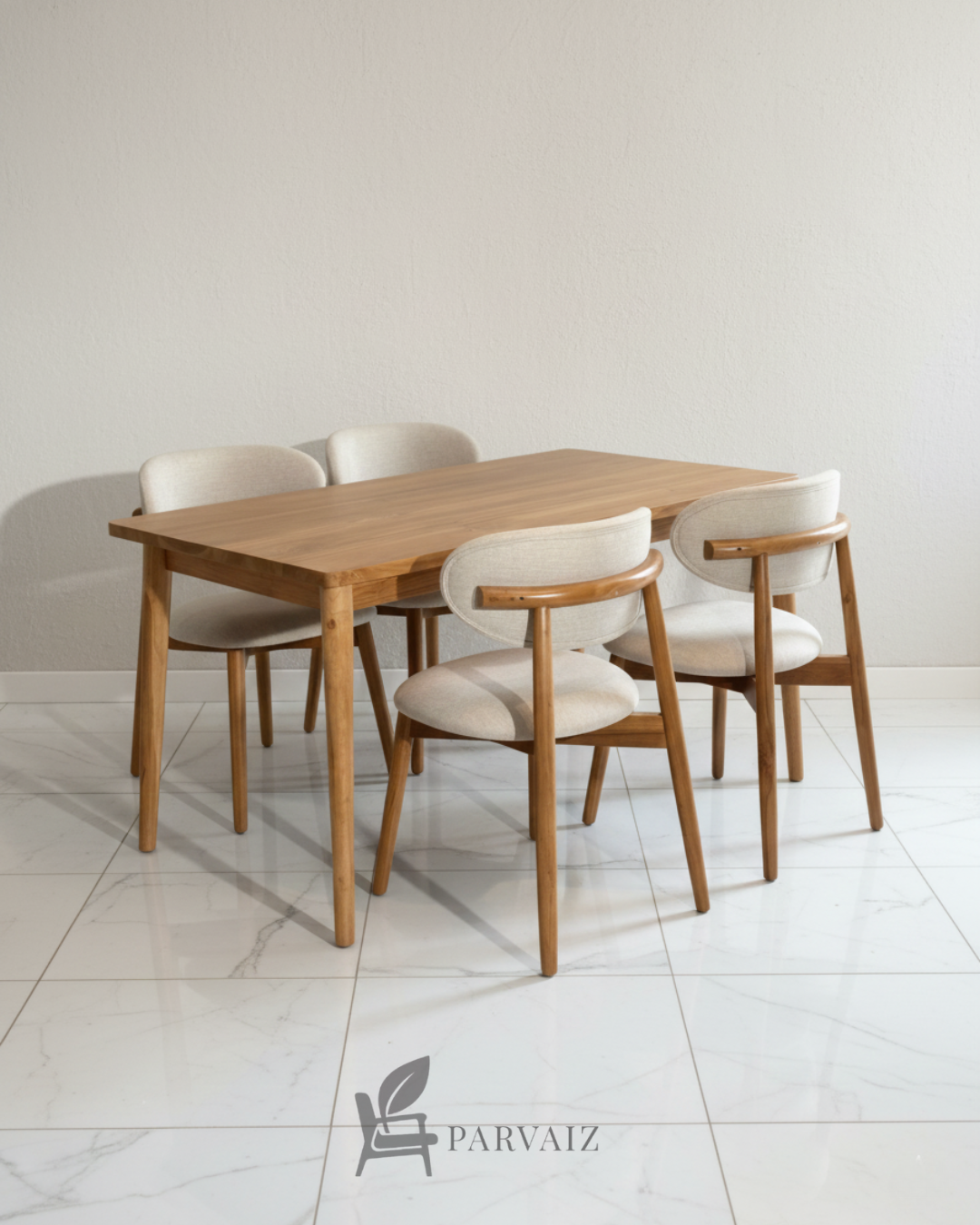
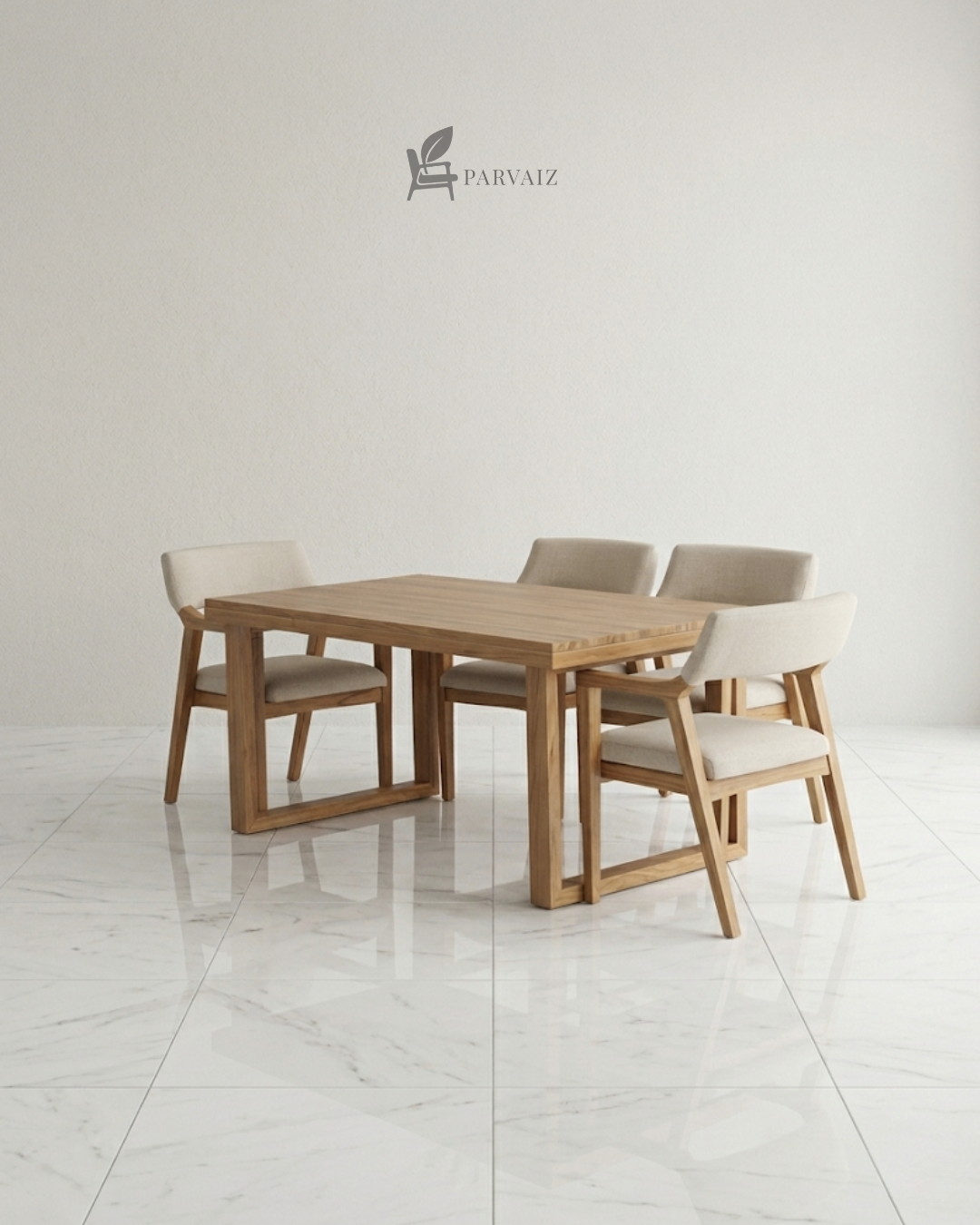
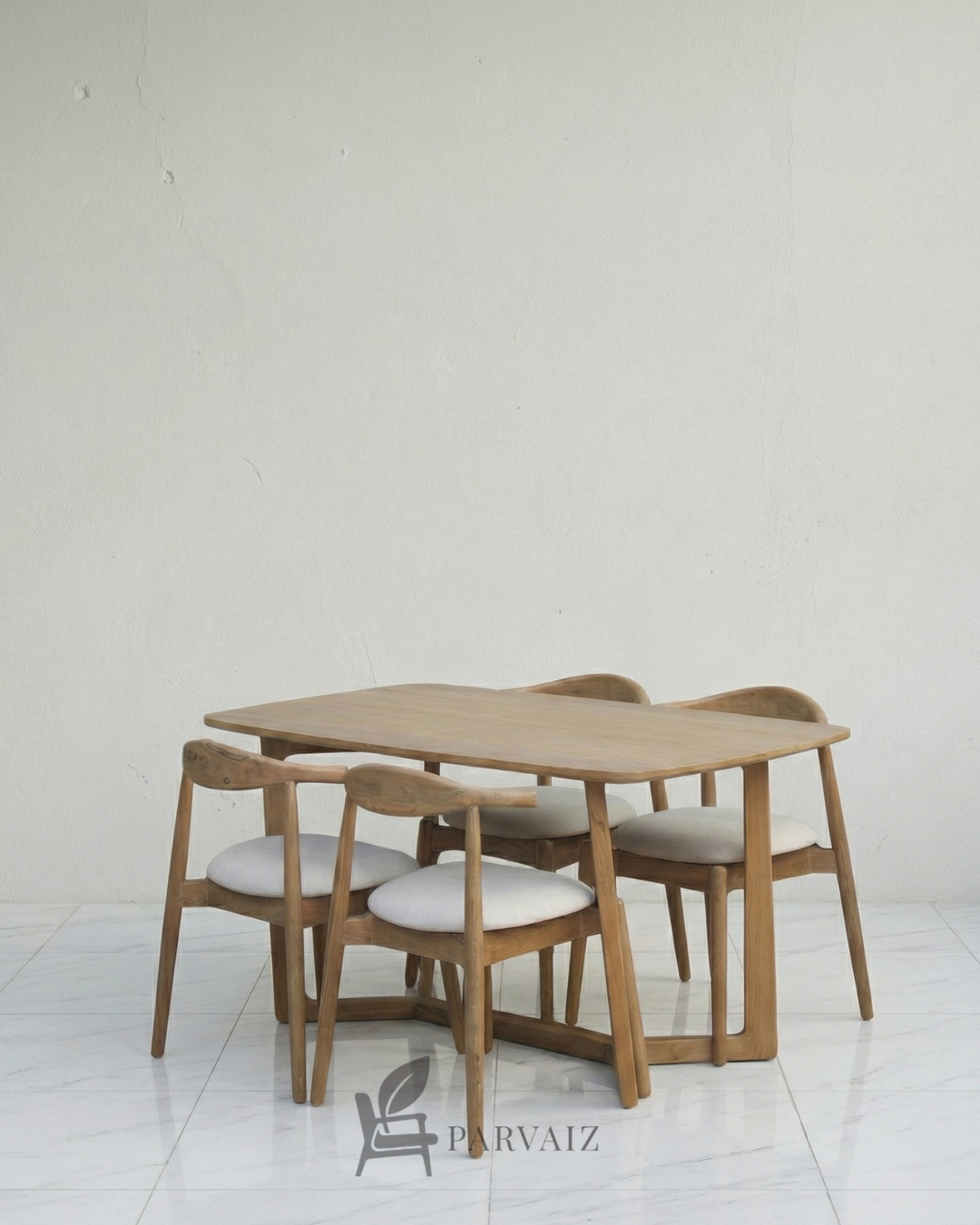
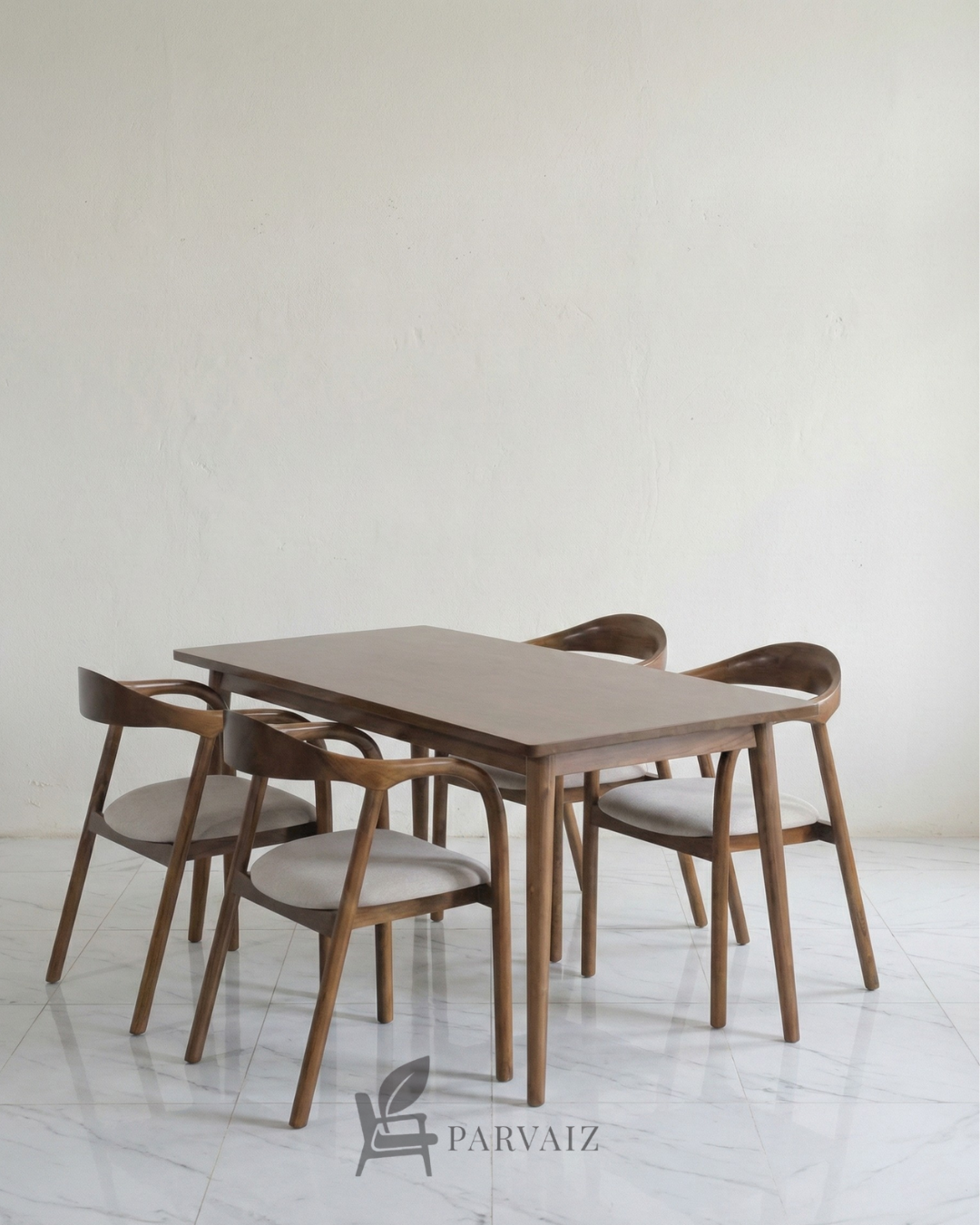
A massive solid teak dining table.
A sturdy, beautifully crafted wooden bed frame.
A heavy, minimalist TV credenza.
Once the anchors are in place, introduce Bali furniture as your "accent" pieces to soften the room and add tactile warmth.
Surround that heavy teak dining table with lightweight, woven rattan dining chairs.
Place a beautifully textured bamboo pendant light above the solid wood bed frame.
Add an oversized, woven water hyacinth lounge chair in the corner next to the solid credenza.
3. Balancing Visual Weight
Great interior design requires a balance of "heavy" and "light" elements. If a room only has solid wood pieces, it feels bottom-heavy and oppressive. If it only has rattan and bamboo, it feels flimsy and ungrounded.
The interplay between these two Indonesian styles solves this problem naturally. The visual weight of a thick, perfectly sanded Jepara teak coffee table is beautifully counterbalanced by a pair of airy, open-weave Balinese cane armchairs. The light flows right through the woven chairs, preventing the solid wood table from dominating the space.
4. Harmonizing the Color Palette
Because you are mixing different materials and textures, you must keep your color palette tightly controlled to ensure the room looks cohesive rather than cluttered.
Fortunately, both styles live comfortably within an earthy, natural color spectrum. To make the blend work seamlessly:
Keep your walls and major upholstery (like sofas) in crisp whites, warm creams, or soft neutral grays.
Let the golden-brown honey tones of the solid teak be your primary dark color.
Allow the pale tans, blondes, and light greens of the rattan, bamboo, and seagrass to act as your mid-tones.
When placed against a clean, neutral background, the transition from the polished finish of a classic Jepara cabinet to the raw, rustic texture of a Balinese woven basket feels intentional and highly sophisticated.
5. Bridging the Gap with Greenery
Finally, to truly marry the formal elegance of Central Java with the resort-style relaxation of the islands, you must introduce life into the room. Lush, oversized tropical houseplants—like a towering Bird of Paradise or a sprawling Monstera—serve as the ultimate visual bridge. The vibrant green foliage pops against the warm wood tones of both styles, tying the entire curated aesthetic together into a breathtaking, tranquil sanctuary.