Indonesia is a global powerhouse when it comes to interior design and woodworking. Designers, architects, and homeowners all over the world look to the archipelago for pieces that bring warmth, character, and natural beauty into a room. However, "Indonesian furniture" is not a single, uniform category.
The country’s two most famous design exports hail from entirely different islands and cater to entirely different aesthetics. If you are furnishing a new home, a boutique hotel, or a retail space, understanding the distinct characteristics of these two regions is crucial.
Here is your ultimate comparison guide to help you decide which style is the perfect fit for your space.
The Core Differences in Aesthetic and Vibe
The most immediate difference between the two styles is the psychological feeling they evoke in a room.
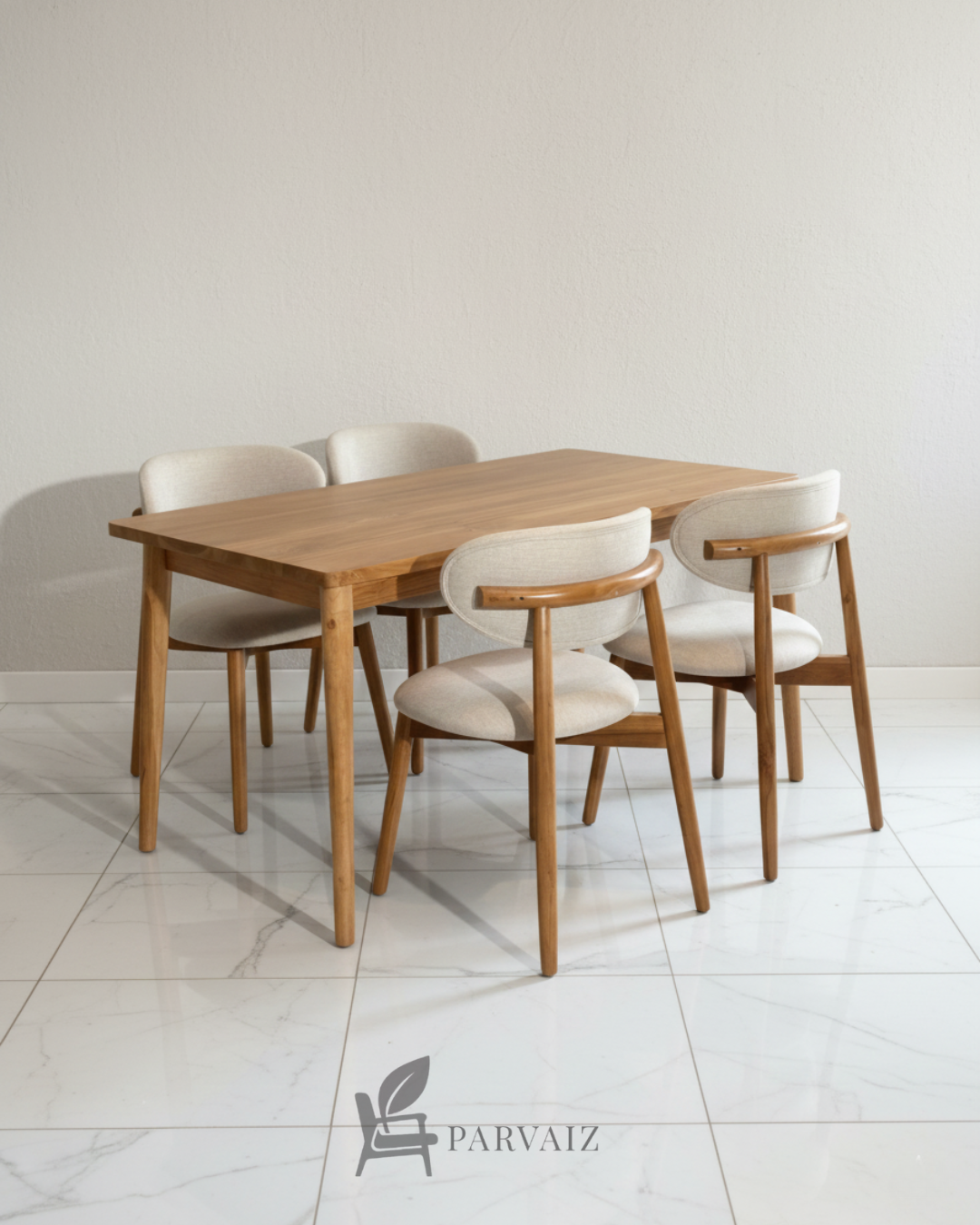
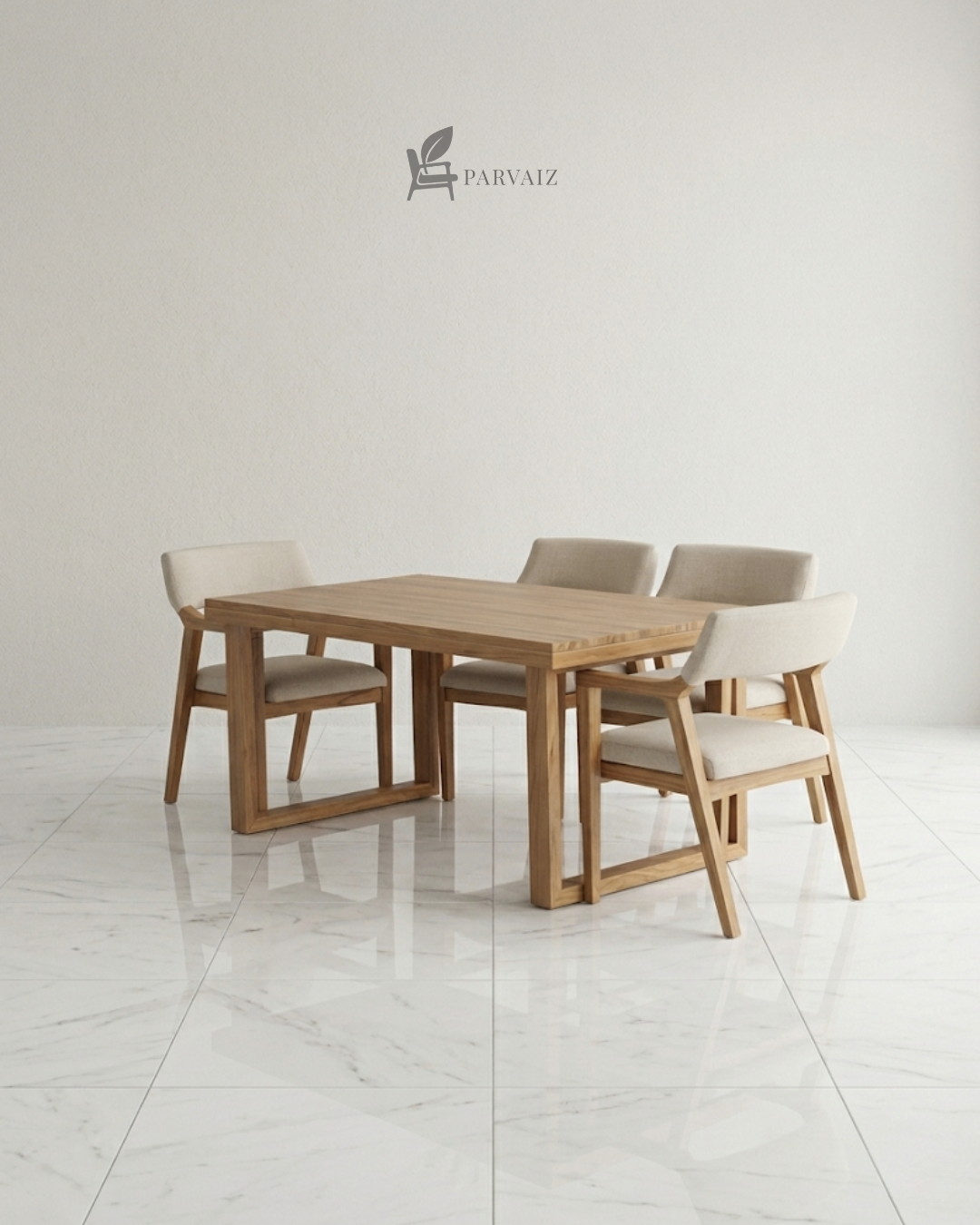
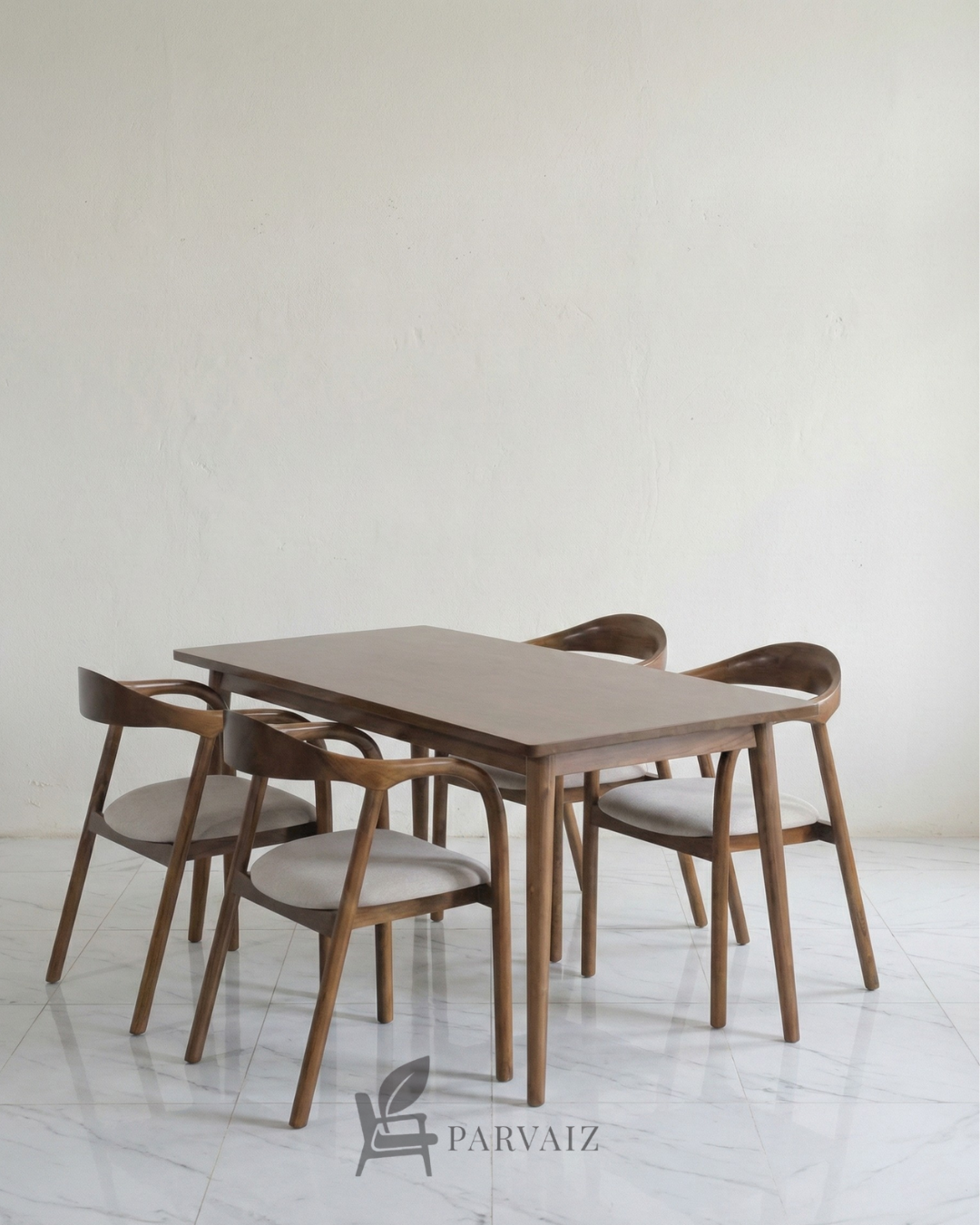
The Jepara Aesthetic: Hailing from the northern coast of Central Java, the Jepara style is rooted in formal elegance, historical legacy, and permanence. It is famous for its masterful, intricate wood carvings and heavy, substantial silhouettes. Today, modern Jepara furniture also encompasses sleek, contemporary minimalism, but it always maintains a feeling of structural integrity and luxury.
The Bali Aesthetic: Bali’s design language is driven by its resort and villa culture. It is inherently bohemian, relaxed, and deeply connected to nature. The shapes are often more organic, embracing the Japanese concept of wabi-sabi (finding beauty in natural imperfections). It is designed to make a space feel like a breezy, tropical sanctuary.
Materials Matter: Hardwoods vs. Mixed Media
The raw materials used dictate not only the look of the furniture but also how it functions and ages in your home.
When you invest in authentic Jepara furniture, you are almost exclusively dealing with premium solid hardwoods—primarily Grade A Perhutani teak and mahogany. The focus is entirely on the quality of the timber, the precision of the joinery, and the flawless, hand-sanded finishes that highlight the natural grain of the wood.
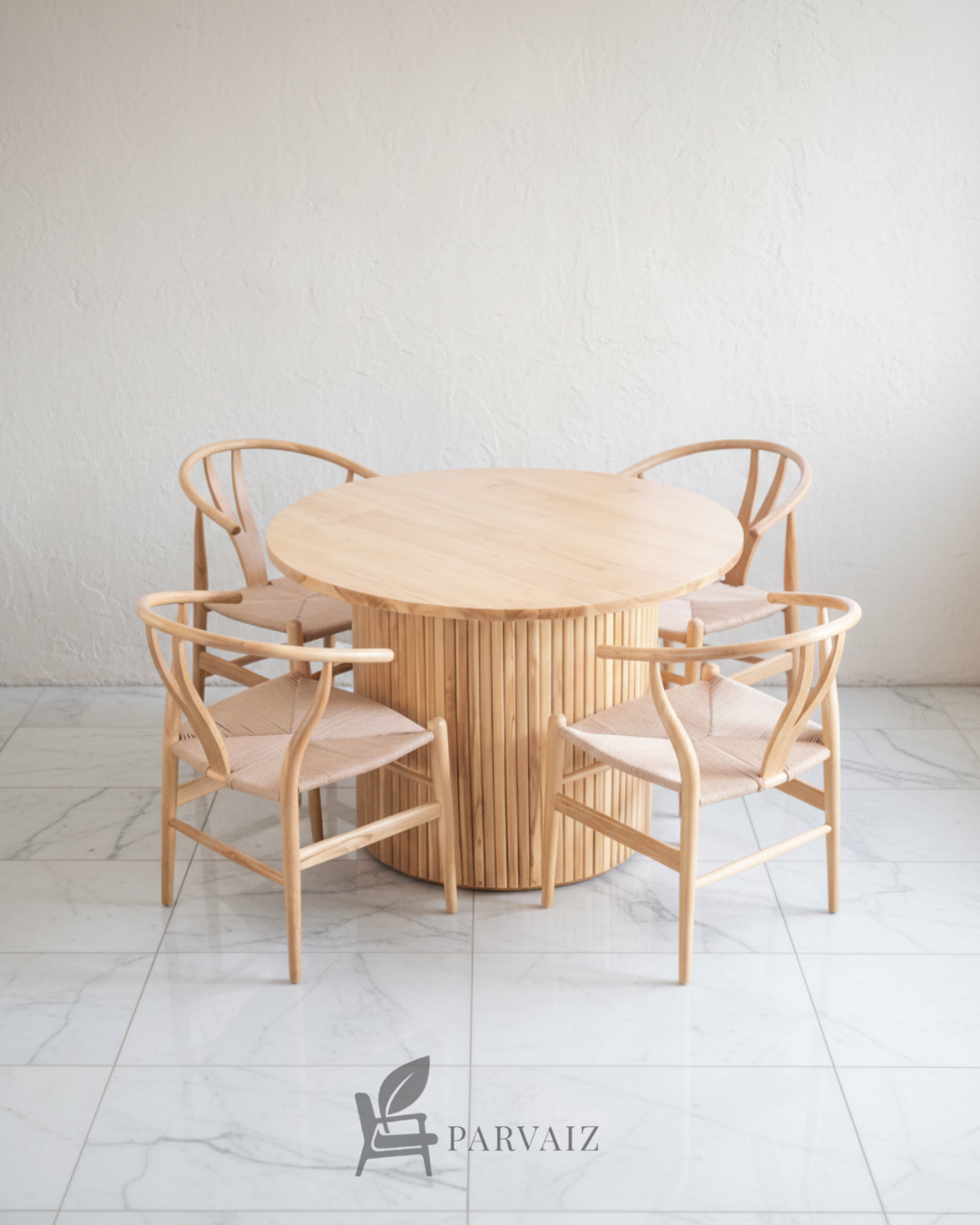
In contrast, authentic Bali furniture heavily utilizes mixed media to achieve its signature lightweight, textured look. While Balinese artisans certainly use teak and suar wood (often favoring live-edge slabs), they frequently blend the wood with softer, fast-growing materials like woven rattan, bamboo, water hyacinth, and seagrass.
Longevity and Commercial Viability
Because of the differences in materials, the two styles perform differently under stress.
If you are furnishing a high-traffic commercial space (like a restaurant or hotel lobby), or if you need outdoor patio pieces that can survive year-round exposure to rain and snow, Jepara is the undisputed winner. The sheer density and natural oil content of Jepara's solid teak make it virtually indestructible when properly maintained.
Balinese pieces, while incredibly beautiful, often require a gentler touch. Rattan seating and bamboo lighting fixtures are perfect for covered patios, sunrooms, and residential bedrooms. However, these natural fibers can become brittle if exposed to harsh, direct sunlight all day, and they can unravel if subjected to the heavy daily abuse of a commercial retail environment.
Making the Right Choice for Your Space
Ultimately, the right choice comes down to the specific atmosphere you want to create and how the room will be used.
Choose Jepara if you want:
- Heirloom-quality dining tables, bed frames, and cabinets designed to last generations.
- Formal elegance, intricate detailing, or highly polished modern minimalism.
- Heavy-duty outdoor furniture that can withstand harsh weather conditions.
- Commercial-grade fixtures for retail or hospitality.
Choose Bali if you want:
- A relaxed, resort-style atmosphere with a bohemian or coastal edge.
- Highly textured, tactile pieces featuring woven natural fibers.
- Organic, rustic shapes that soften the hard lines of a modern room.
- Statement accent chairs, light fixtures, or decorative room dividers.
For many modern interior designers, the best approach isn't choosing just one—it is blending them. A heavy, minimalist Jepara teak dining table paired with woven Balinese rattan dining chairs creates a perfectly balanced, sophisticated space that honors the best of both worlds.