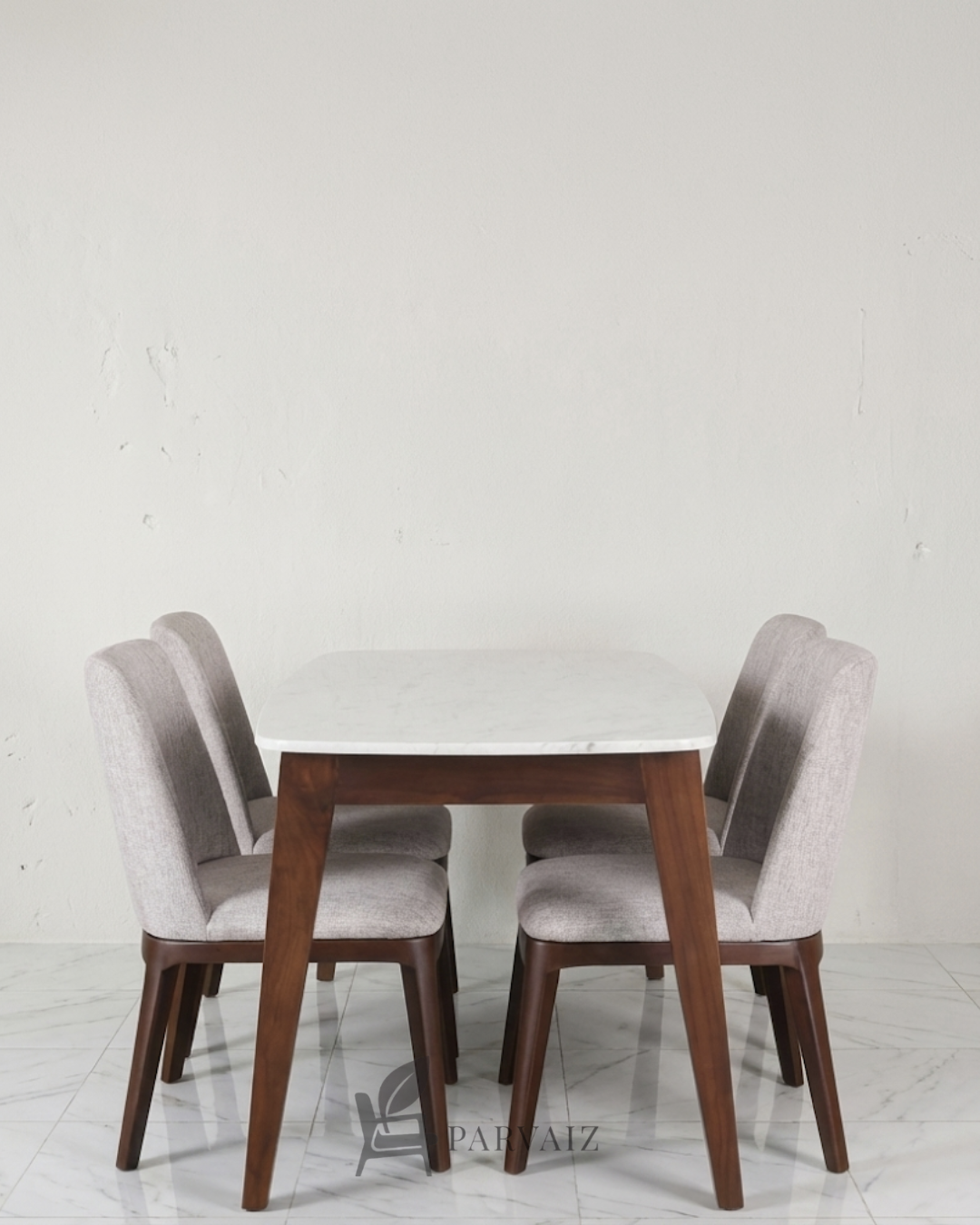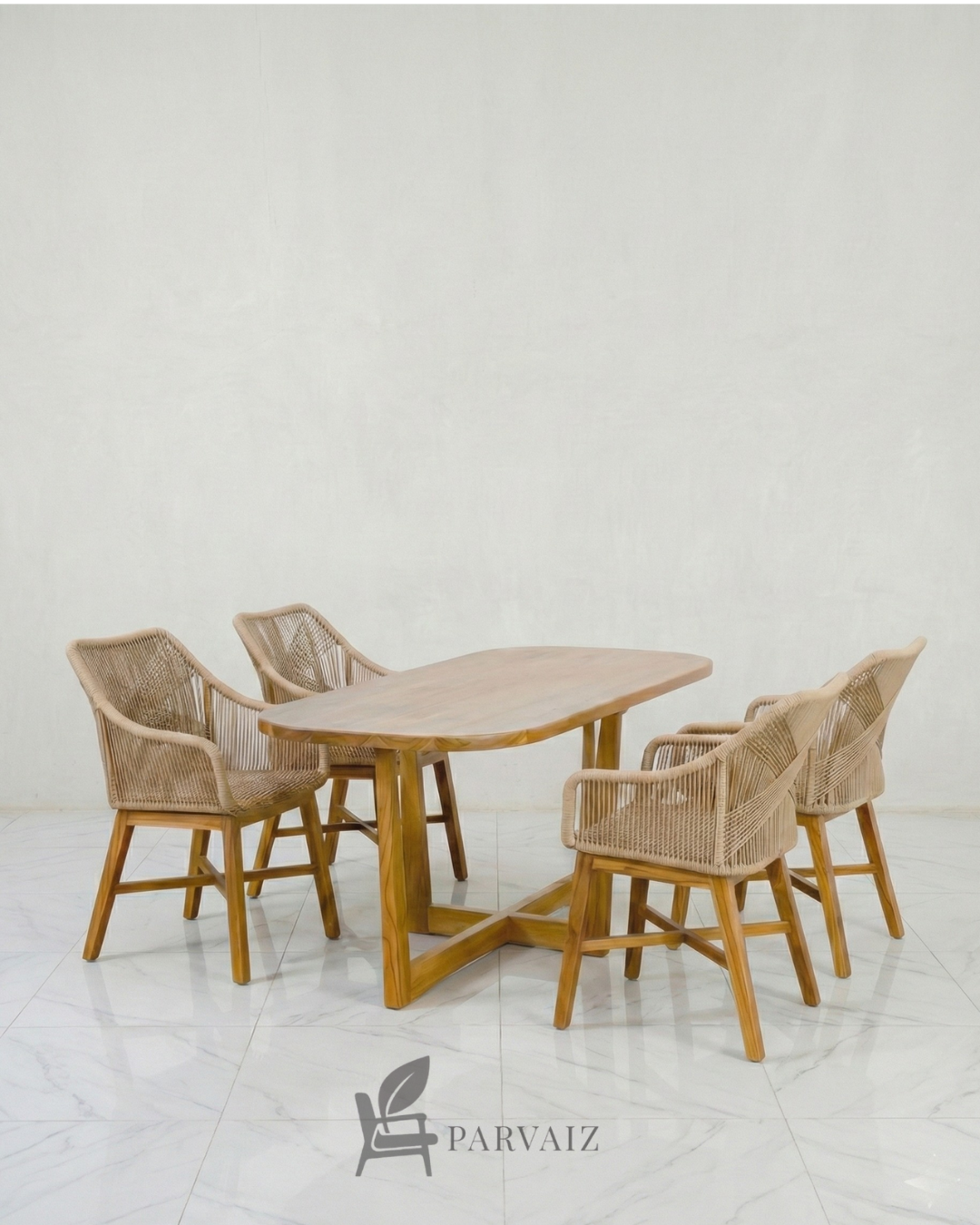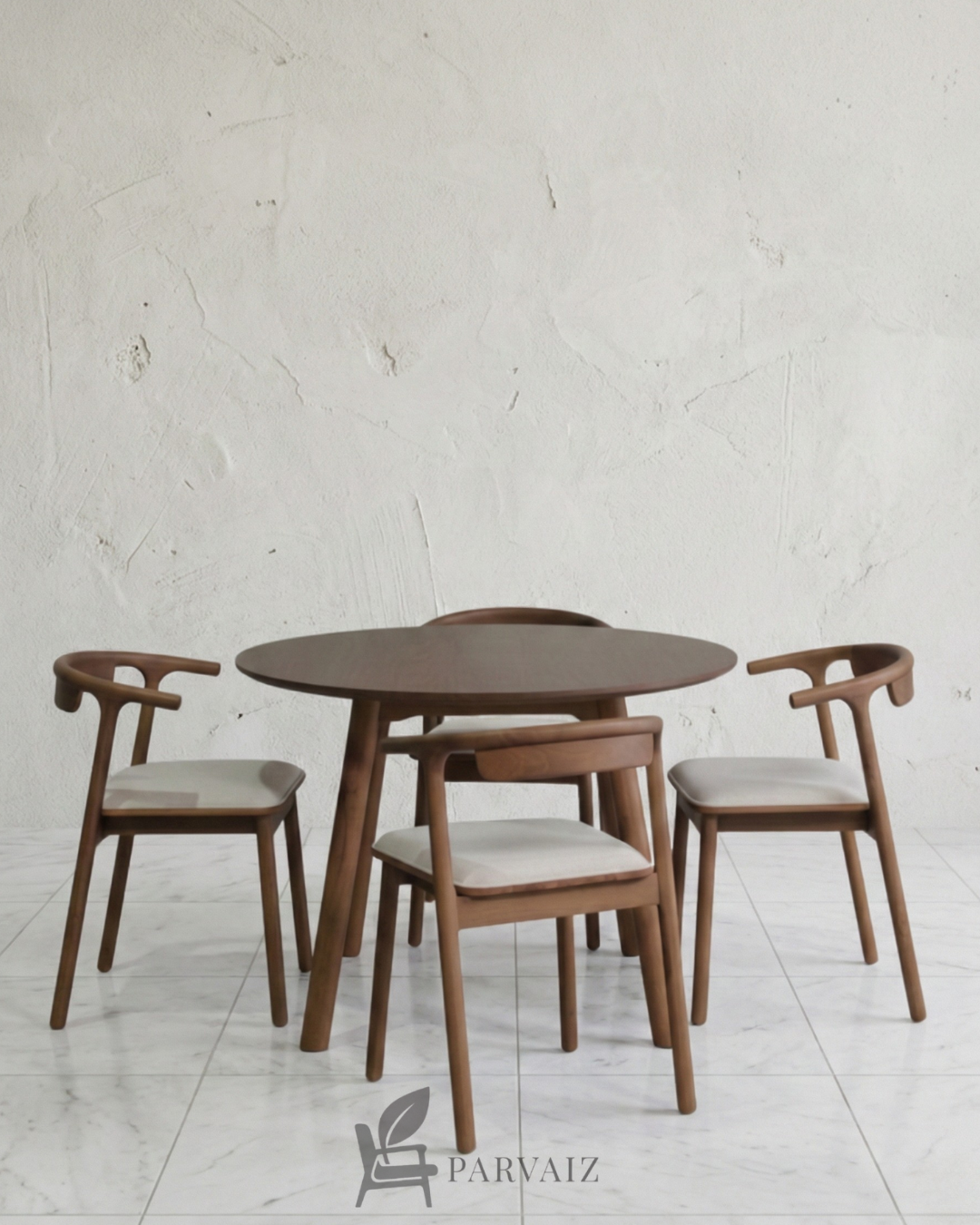
For hoteliers, restaurant chains, and furniture wholesalers around the world, sourcing commercial furniture directly from Indonesia is one of the most effective ways to maximize ROI without compromising on quality. The region of Jepara, in particular, is globally celebrated for its exceptional craftsmanship and premium hardwoods.
However, for first-time or even experienced buyers, international trade can present logistical challenges. From understanding shipping container sizes to navigating customs and legal certifications, successful importing requires working with an import furniture supplier who knows the ropes.
If you are planning to source export furniture from Indonesia, here is everything you need to know to ensure a smooth, secure, and profitable transaction.
1. Legal Wood Certifications (SVLK / V-Legal)
The most critical aspect of importing wood furniture from Indonesia is ensuring the timber is legally and sustainably harvested. Indonesia strictly regulates its timber industry through the SVLK (Sistem Verifikasi Legalitas Kayu) certification system.
When exporting to regions like Europe, North America, or Australia, you must have a V-Legal document (the export license proving SVLK compliance). This document ensures your shipment clears customs without delays or fines.
The Parvaiz Advantage: We are fully committed to sustainable and legal manufacturing. As a reliable global furniture partner, Parvaiz Furniture ensures that all our Teak, Mahogany, and other hardwoods are strictly SVLK-certified, providing you with complete peace of mind and hassle-free customs clearance.
2. Understanding Container Shipping and MOQs
When buying wholesale or outfitting a large commercial space, your furniture will be shipped via sea freight in standard shipping containers. Understanding container capacities will help you optimize your shipping costs per item.
- 20-Foot Container (20ft): Holds approximately 28–30 cubic meters (CBM) of furniture. Ideal for smaller cafe fit-outs or boutique hotel prototypes.
- 40-Foot Container (40ft): Holds around 58–60 CBM.
- 40-Foot High Cube (40HC): Holds up to 68–70 CBM. This is the most popular choice for large hotel projects and international wholesalers, as it offers the best value for freight costs.
A professional manufacturer will help you calculate your total CBM during the ordering phase so you can maximize the space inside your container and avoid shipping "empty air."
3. Climate Acclimatization and Kiln Drying
Indonesia is a tropical environment with high humidity. If you are importing solid wood furniture to a dry climate (like the Middle East, parts of North America, or Europe during winter), the wood will naturally contract. If the wood has not been properly prepared, this sudden climate shift can cause cracking, splitting, or warping.
To prevent this, the wood must be systematically kiln-dried before production begins. Kiln drying removes excess moisture from the core of the timber, bringing the Moisture Content (MC) down to an export-standard level (typically between 8% and 12%). This ensures the structural integrity of your furniture, regardless of its final global destination.
4. Secure Export Packaging
The journey from the port of Tanjung Emas in Central Java to your destination can take several weeks. During transit, shipping containers are subjected to movement, temperature fluctuations, and handling by port cranes.
Standard domestic packaging is not sufficient for international sea freight. Your supplier must use export-grade packaging. At Parvaiz Furniture, every piece is protected using layered foam, heavy-duty single or double-face corrugated cardboard, and reinforced corner protectors. For fragile items like mirrors or delicate custom designs, we construct custom wooden crates to ensure zero movement during transit.
5. Choose a Manufacturer with Export Expertise
The ultimate key to successfully importing furniture from Indonesia is your choice of manufacturer. You need more than just skilled carpenters; you need a B2B partner who understands international business standards, prompt communication, and strict Quality Control (QC) reporting.
At Parvaiz Furniture, our extensive experience in the global marketplace has taught us exactly what international buyers expect. We seamlessly blend traditional Jepara craftsmanship with contemporary design, managing the entire process from raw material sourcing to the moment the container doors are sealed.
Ready to start your import journey with a trusted Indonesian manufacturer? Contact Parvaiz Furniture today to discuss your next commercial project, request a catalog, or consult with our export logistics team.