Navigating a Furniture Store Jepara: Insider Tips for International Buyers
For international buyers, interior designers, and wholesale distributors, sourcing directly from Central Java is a highly profitable strategy. Jepara is globally recognized as the epicenter of teak woodworking. However, the sheer density of workshops, showrooms, and export factories can be incredibly overwhelming for first-time buyers.
Whether you are flying into Indonesia for an in-person sourcing trip or conducting business via WhatsApp from across the globe, knowing how to evaluate suppliers is critical. You are not just buying wood; you are investing in a cross-border relationship.
Here are the essential insider tips for successfully navigating a furniture store, Jepara manufacturing facilities, and the local export market.
1. Understand the Landscape: Showrooms vs. Factories
The first thing international buyers need to understand is the difference between a retail showroom and an export-grade manufacturer.
If you drive down the main arterial roads of Jepara, you will see hundreds of open-air shops displaying beautifully carved chairs and cabinets. If you are a tourist looking for a single souvenir for your home store, Jepara roadside showrooms are perfectly fine. However, these are often middle-men who buy raw goods from smaller village artisans and finish them on-site.
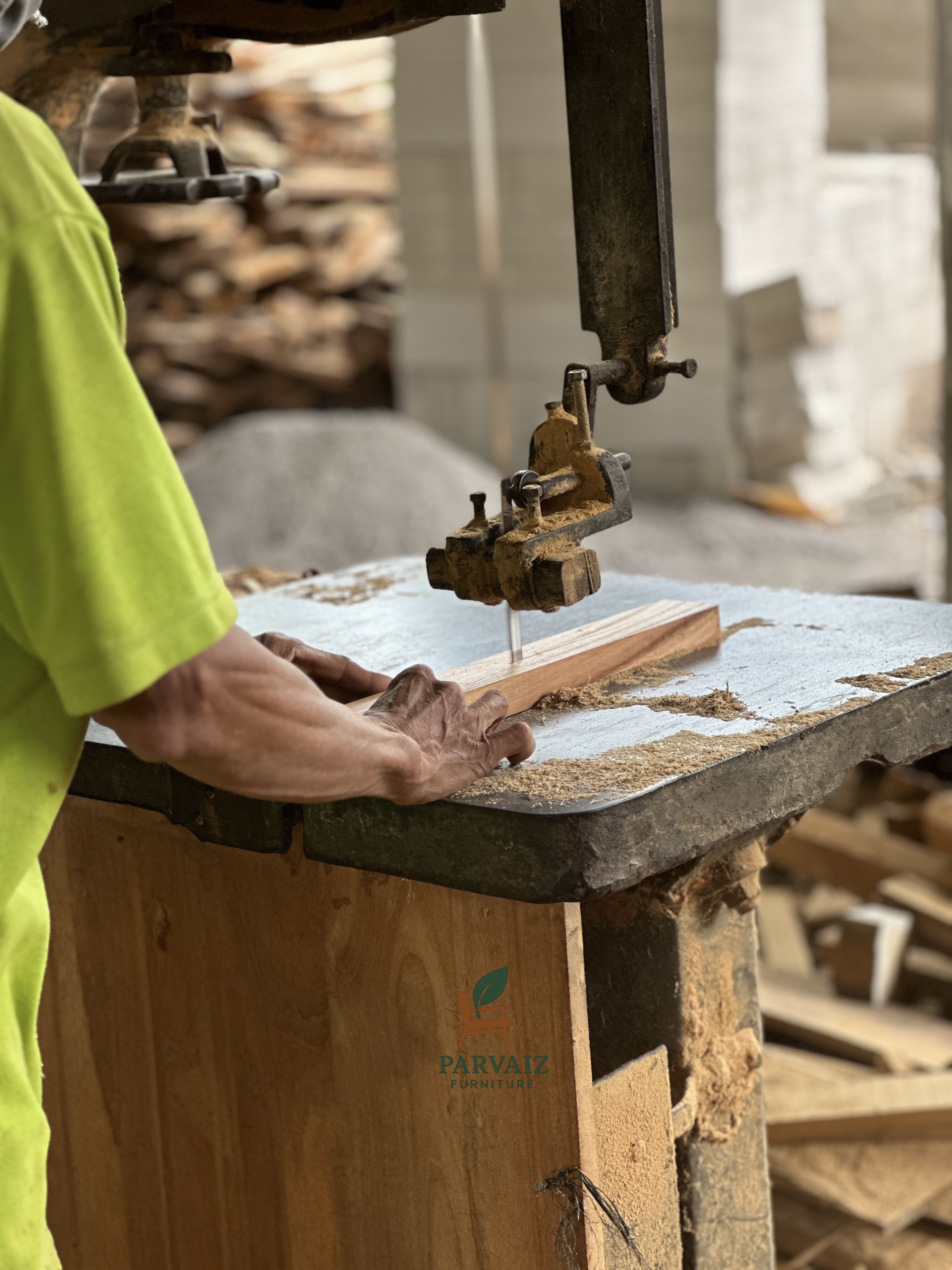
If you are buying in bulk or need commercial-grade quality, you must bypass the roadside retail shops and seek out established export factories. These facilities have their own kiln-drying ovens, in-house quality control teams, and SVLK-certified legal timber supply chains.
2. Inspecting the Craftsmanship Up Close
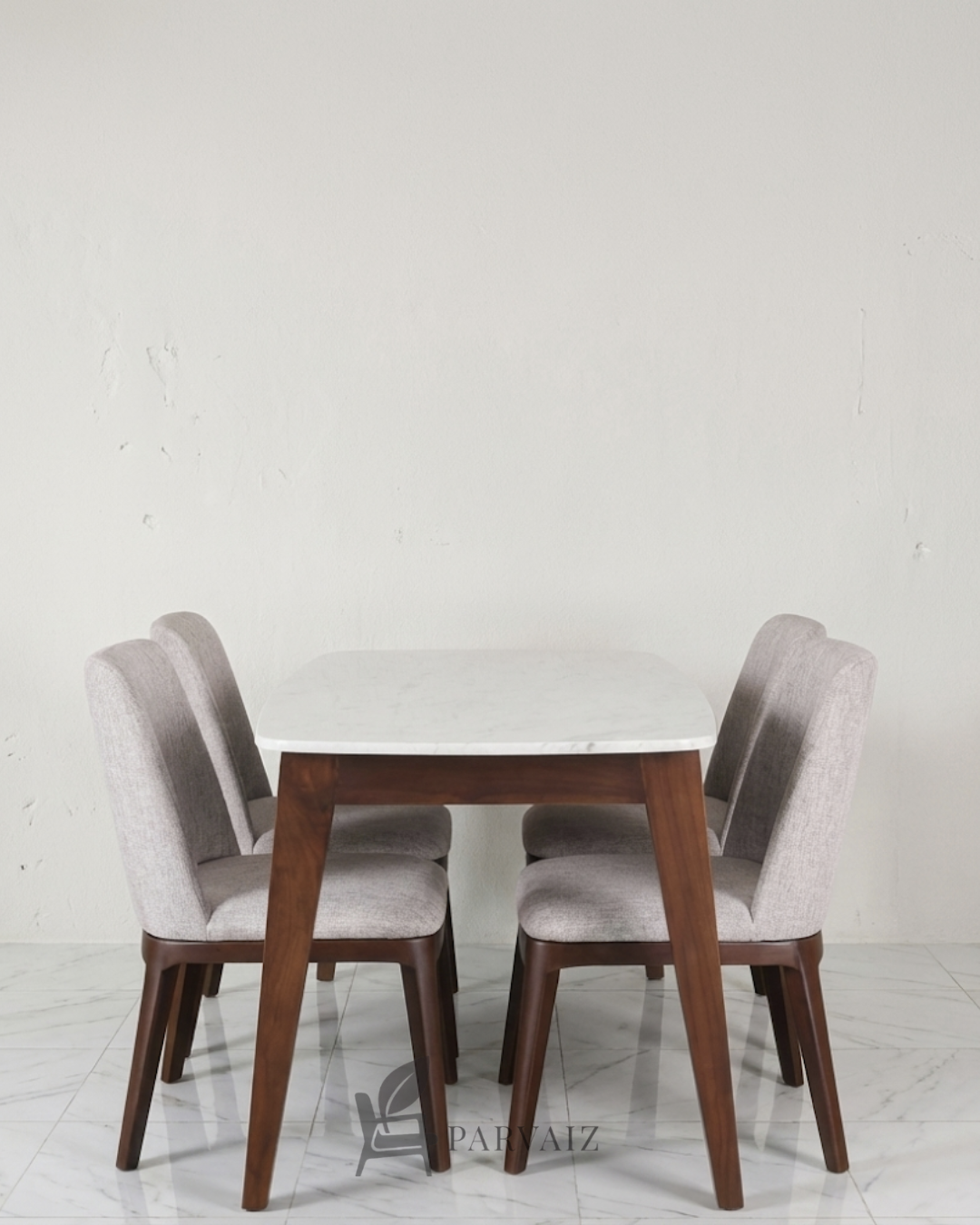
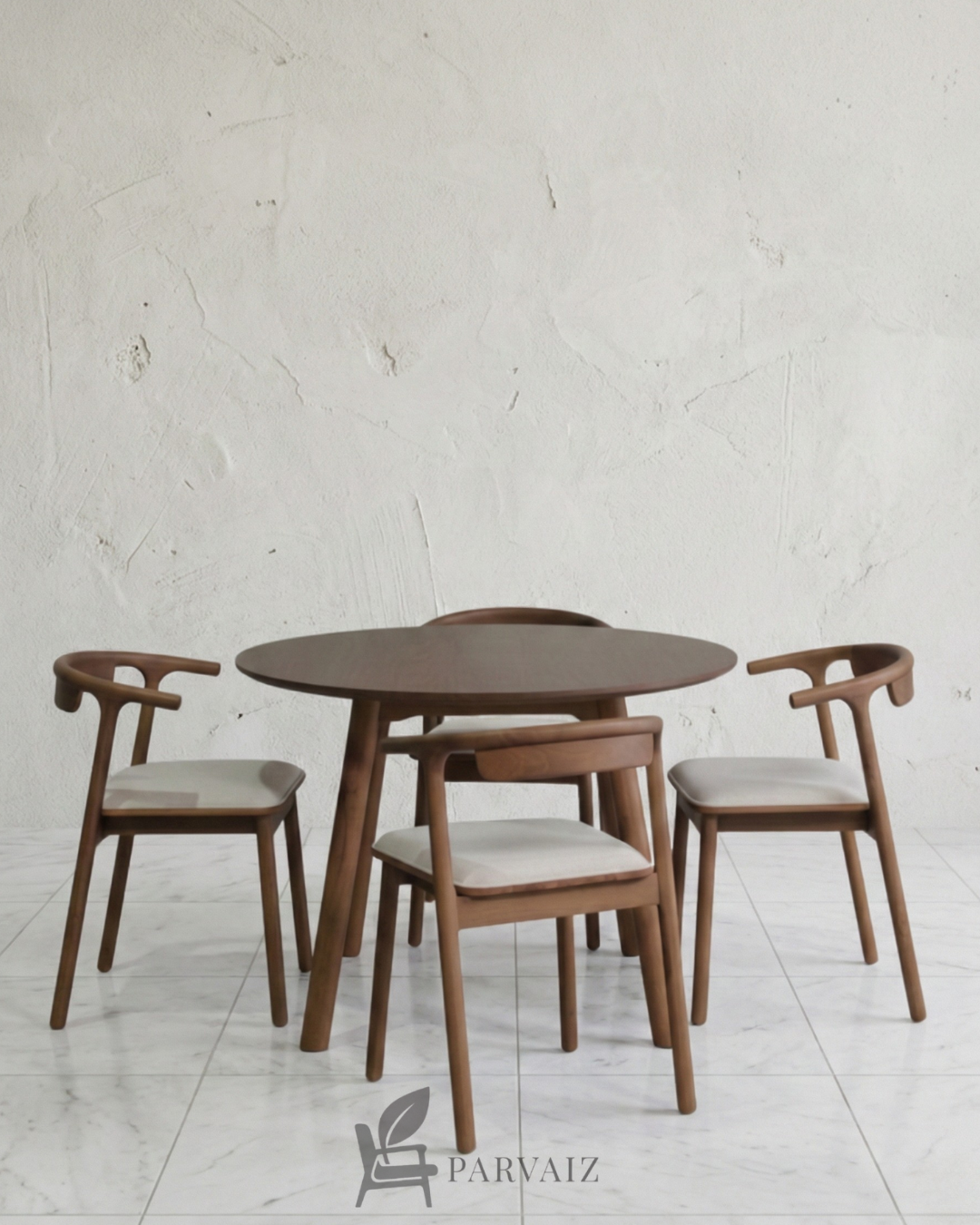
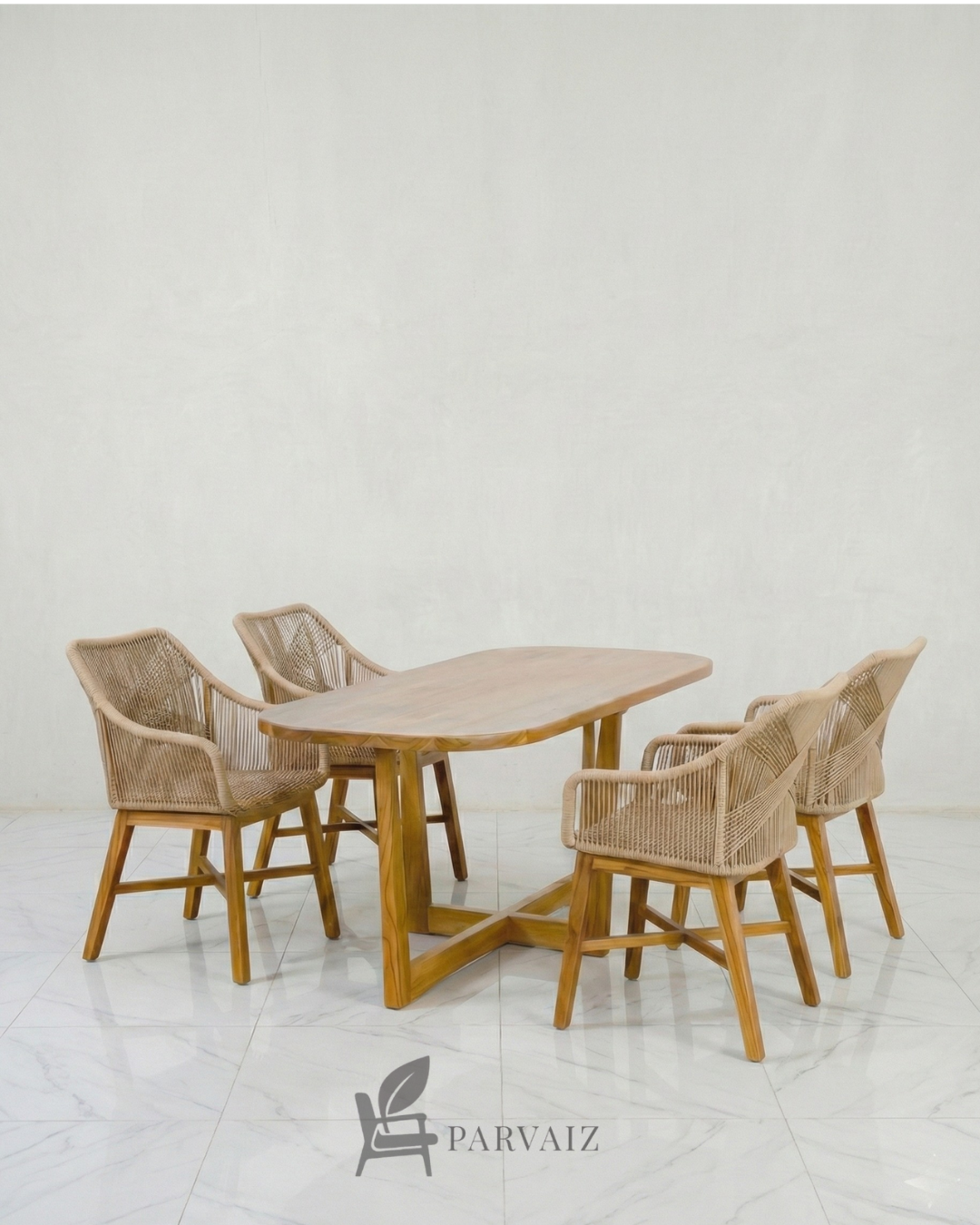
When evaluating a potential supplier in person (or via detailed video calls), you must look past the shiny topcoat. Inside any furniture store, Jepara craftsmanship can range from museum-quality masterworks to hastily assembled tourist traps.
Look Underneath: Always inspect the underside of a table or the bottom of a chair. A premium manufacturer finishes the hidden areas just as cleanly as the top. If the underside is rough, splintery, or held together with cheap staple guns instead of proper mortise and tenon joinery, walk away.
Ask About Moisture Content (MC): Do not purchase anything without asking about the kiln-drying process. For export to North America or Europe, the teak must be dried to an MC of 8% to 12%. If the shop only air-dries their wood, the pieces will aggressively crack and warp as soon as they reach a colder, drier climate.
3. The Art of the Negotiation
Business culture in Indonesia is deeply rooted in respect and relationship-building. Aggressive, hostile negotiation tactics that might work in Western corporate boardrooms will often backfire here, causing suppliers to simply refuse your business.
Negotiation is expected, but it must be done with a smile. Instead of demanding a massive discount upfront, focus on volume. Ask, "What is the price for a sample piece, and what is the pricing tier if I order a 20-foot container?" Building a long-term, mutually respectful relationship with a reliable furniture store, Jepara export manager will eventually yield much better pricing and priority production times than trying to squeeze every last cent out of a single transaction.
4. Customization and White-Labeling
One of the greatest advantages of sourcing from this region is the ability to create bespoke collections. If you are stocking your own retail home store, Jepara manufacturers are highly accustomed to white-labeling products.
Do not feel restricted to the designs you see on the showroom floor. Bring your CAD drawings, Pinterest boards, and exact dimensional requirements. A professional export factory will have an in-house drafting team capable of rendering 3D blueprints of your custom designs for approval before any wood is cut.
5. Managing International Shipping and SVLK
Finding the perfect furniture is only half the battle; getting it to your home country is the other.
Never buy from a supplier who expects you to figure out the export paperwork on your own. Global timber regulations are incredibly strict in 2026. Your manufacturing partner must be able to provide an SVLK (Sistem Verifikasi Legalitas Kayu) certificate, proving the teak was legally harvested.
Furthermore, a top-tier supplier will have established relationships with local freight forwarders in nearby ports like Tanjung Emas (Semarang). They should offer to handle the container stuffing, fumigation certificates, and Bill of Lading, ensuring a smooth "FOB" (Free on Board) transaction so your investment arrives safely at its final destination.