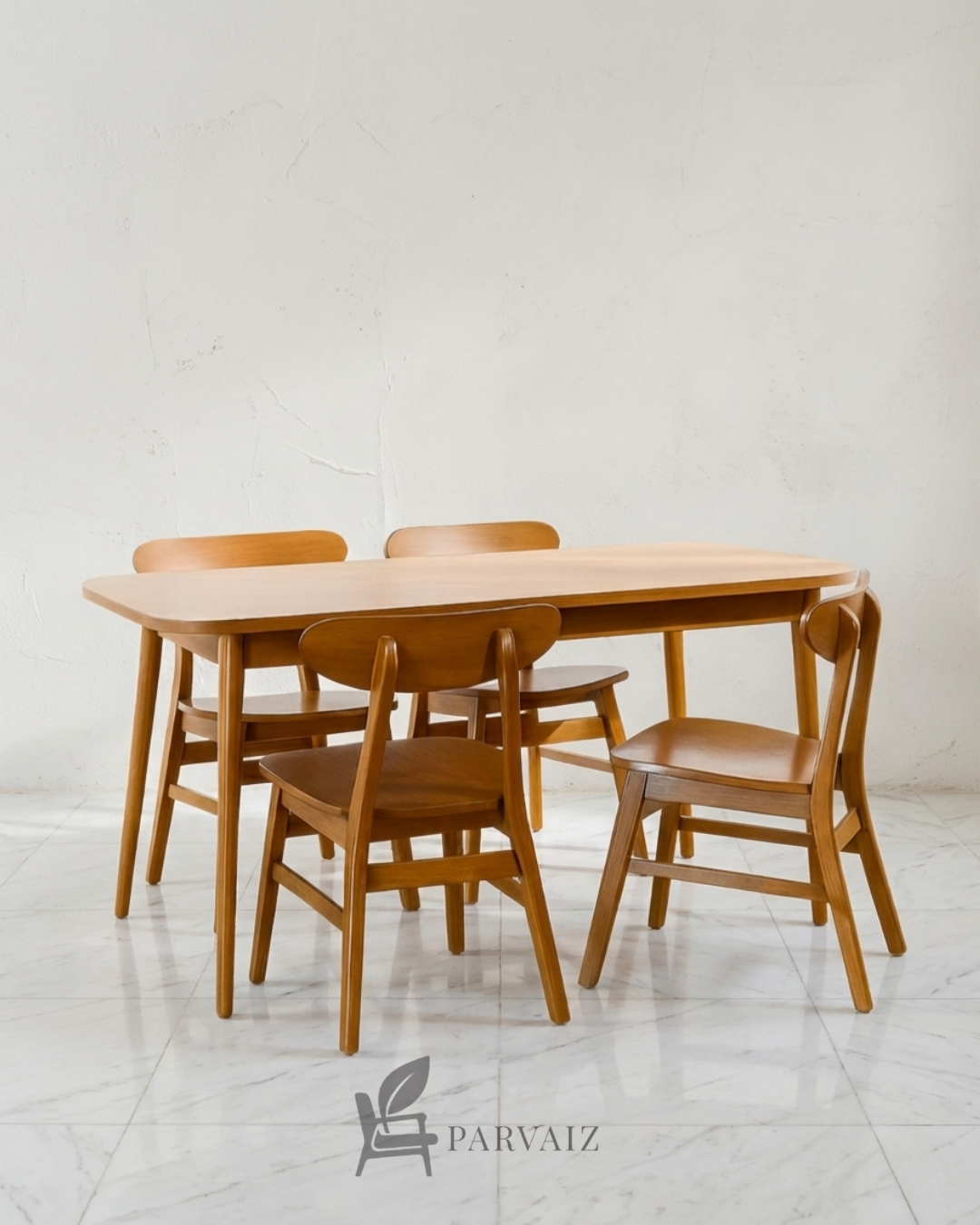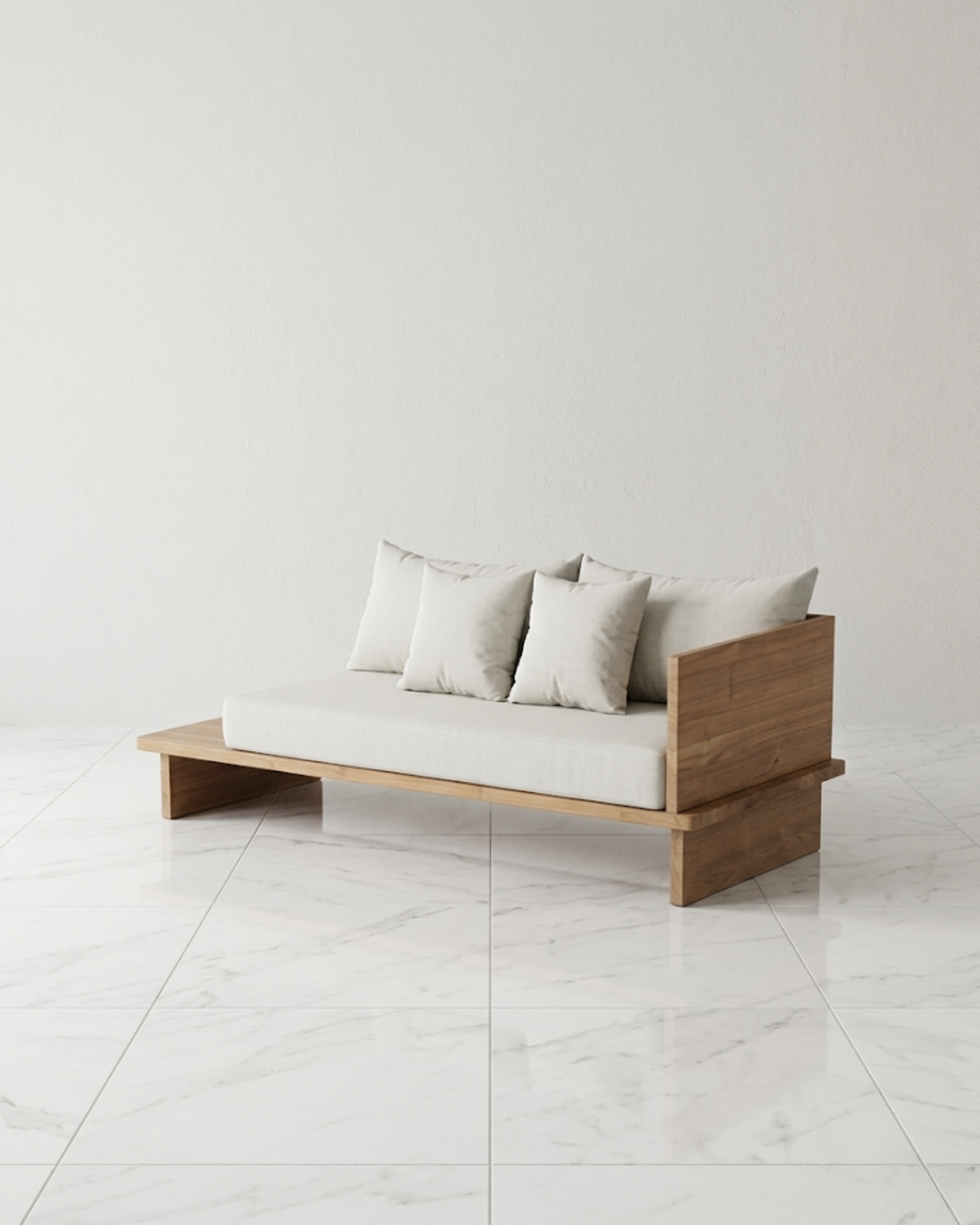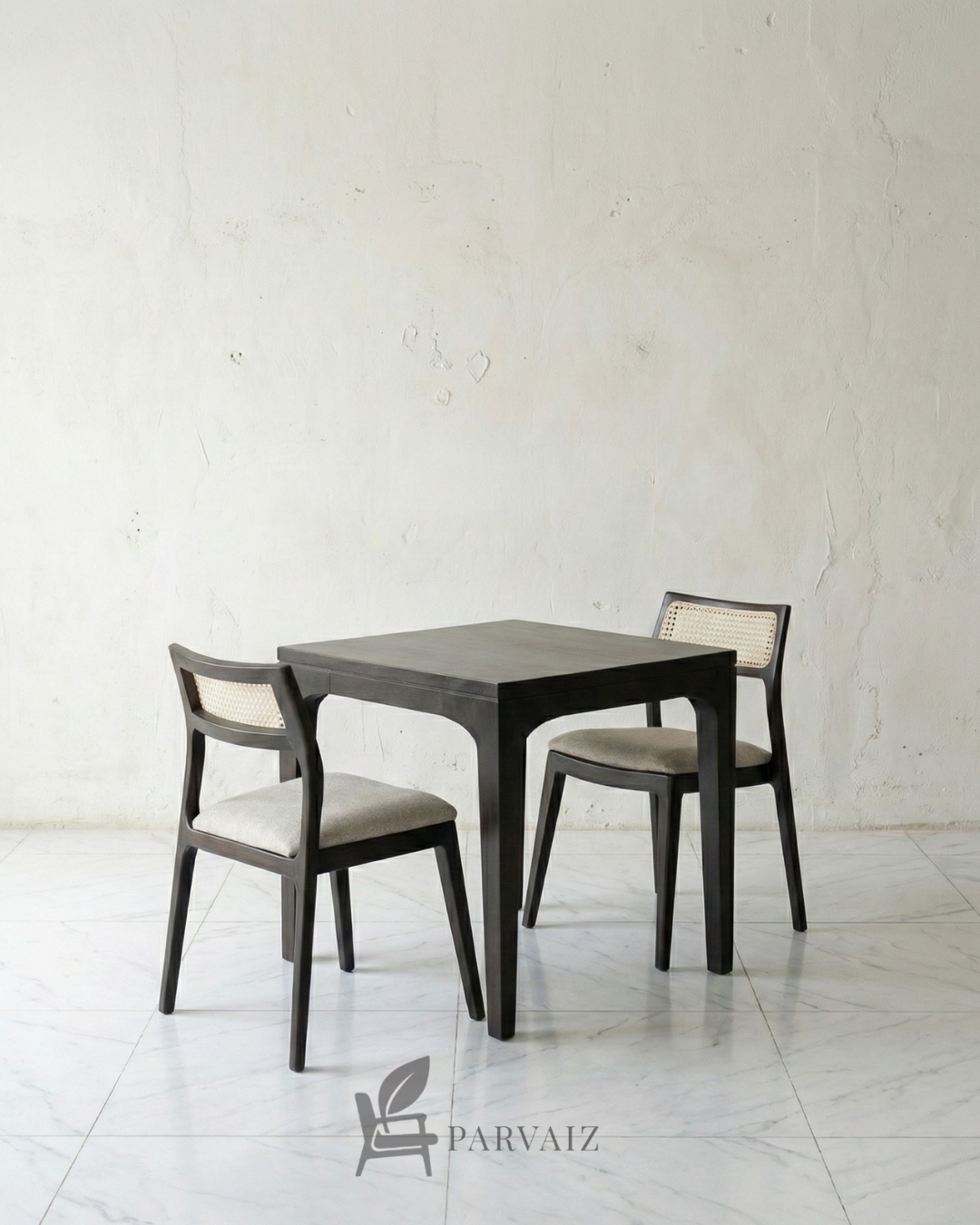
Jepara is universally recognized as the teak carving capital of the world. For international buyers, interior designers, and wholesale distributors, sourcing directly from this region guarantees incredible craftsmanship at highly competitive prices. However, the sheer volume of workshops and exporters can make the vetting process overwhelming.
Importing heavy, solid wood furniture across the globe requires a significant investment of time and capital. To ensure your shipment arrives in pristine condition and matches your exact specifications, you need a highly reliable manufacturing partner.
Here is a practical buyer's guide to vetting suppliers and finding the highest quality furniture store, Jepara has to offer.
1. Verify Wood Sourcing and SVLK Certification
The most critical factor in importing Indonesian teak is legality and sustainability. In 2026, international customs agencies strictly enforce timber regulations.
A legitimate manufacturer will exclusively use government-regulated wood from Perhutani plantations. Furthermore, they must be able to provide an SVLK (Sistem Verifikasi Legalitas Kayu) certification. This is Indonesia's national timber legality assurance system. If a supplier cannot produce SVLK documentation, your shipment could be seized at your home port. Always ask for this proof upfront before placing a deposit.
2. Inspect the Kiln-Drying Process
The climate in Central Java is incredibly humid. If you ship wood that retains high moisture levels to a drier, colder climate like North America, Europe, or Australia, the wood will aggressively shrink, crack, and warp.
Ask about moisture content: A professional exporter will kiln-dry their teak to a strict moisture content of 8% to 12% before any carving or assembling begins.
Request visual proof: Do not hesitate to ask for photos or videos of their industrial kiln-drying ovens. Smaller, unreliable workshops often skip this step or rely purely on air-drying to save money, which is a massive red flag.
3. Assess Manufacturing Capabilities and Customization
Are you buying off-the-shelf designs, or do you need a manufacturer who can execute bespoke blueprints?
If you are sourcing inventory for your own retail home store, Jepara exporters should offer seamless white-label production. A top-tier factory will have an in-house drafting team that can translate your reference photos or CAD drawings into precise 3D renders before a single piece of wood is cut. They should also be transparent about their monthly production capacity so you can scale your business without facing severe supply chain bottlenecks.
4. Communication and Export Logistics
A language barrier should never result in a botched order. The best suppliers have dedicated, English-speaking export managers who provide weekly updates, including raw material selection, structural assembly, and final finishing photos.
Additionally, navigating international sea freight is complex. When partnering with a premium furniture store, Jepara export teams will handle the local logistics for you. They should be experienced in arranging both LCL (Less than Container Load) for smaller residential orders and FCL (Full Container Load) for commercial buyers. They will expertly pack, crate, and load the items to prevent any shifting or damage during the long ocean transit.
5. Watch Out for Common Red Flags
When vetting potential suppliers online or via WhatsApp, keep an eye out for these warning signs:
Prices that are "too good to be true": Authentic Grade A Perhutani teak is a luxury commodity with a baseline market value. If a quote is shockingly low, the supplier is likely using young sapwood (which lacks durability and natural oils) or rushing the joinery.
Refusal to send progress photos: You have the right to see your pieces at every stage of production. If a shop only sends photos of finished, polished items, they might be outsourcing the work to cheaper, unverified backyard workshops.
Vague payment terms: Legitimate exporters use clear, milestone-based payment structures (typically a 40% to 50% deposit to begin production, with the balance paid only after you approve the final photos and the container is packed).