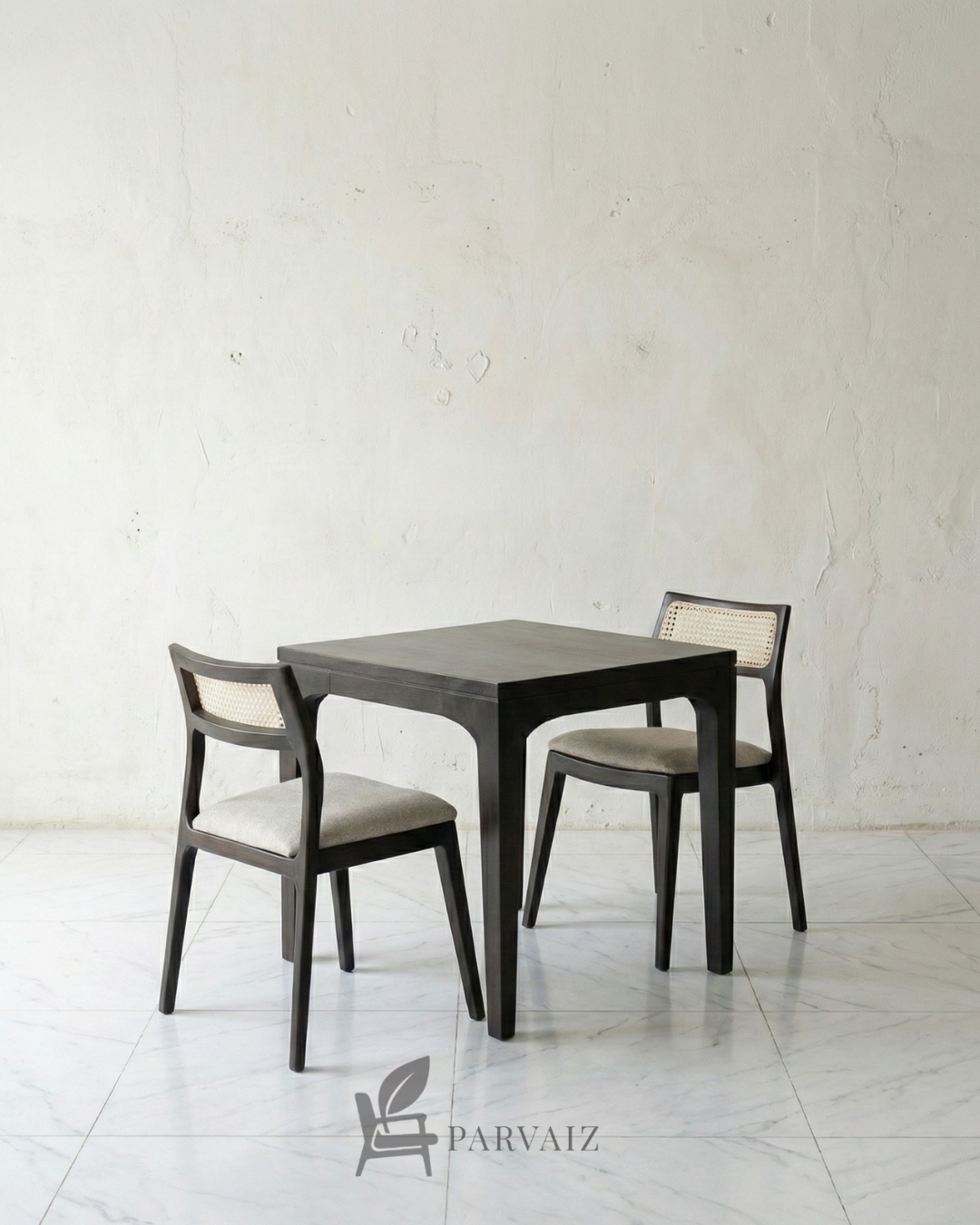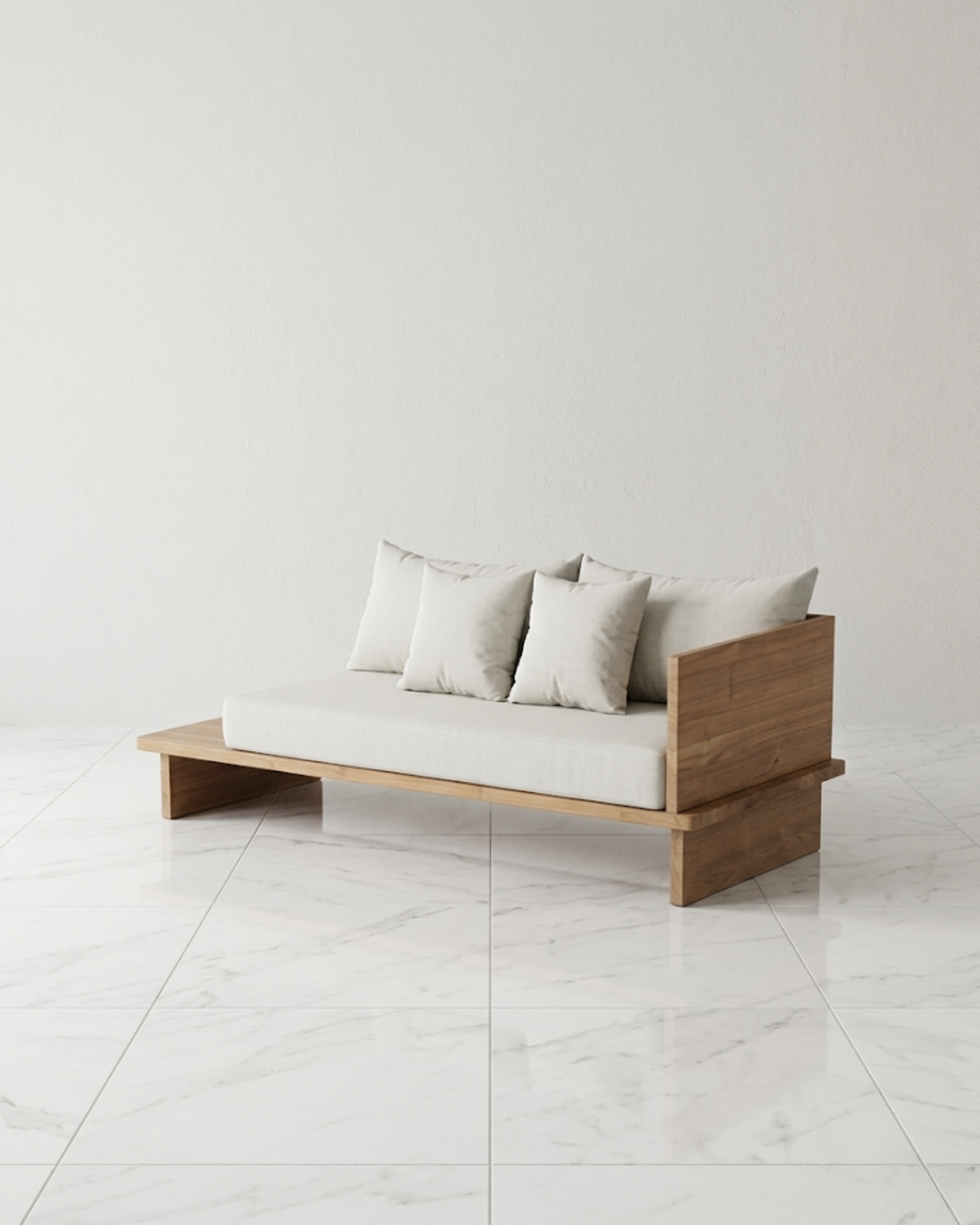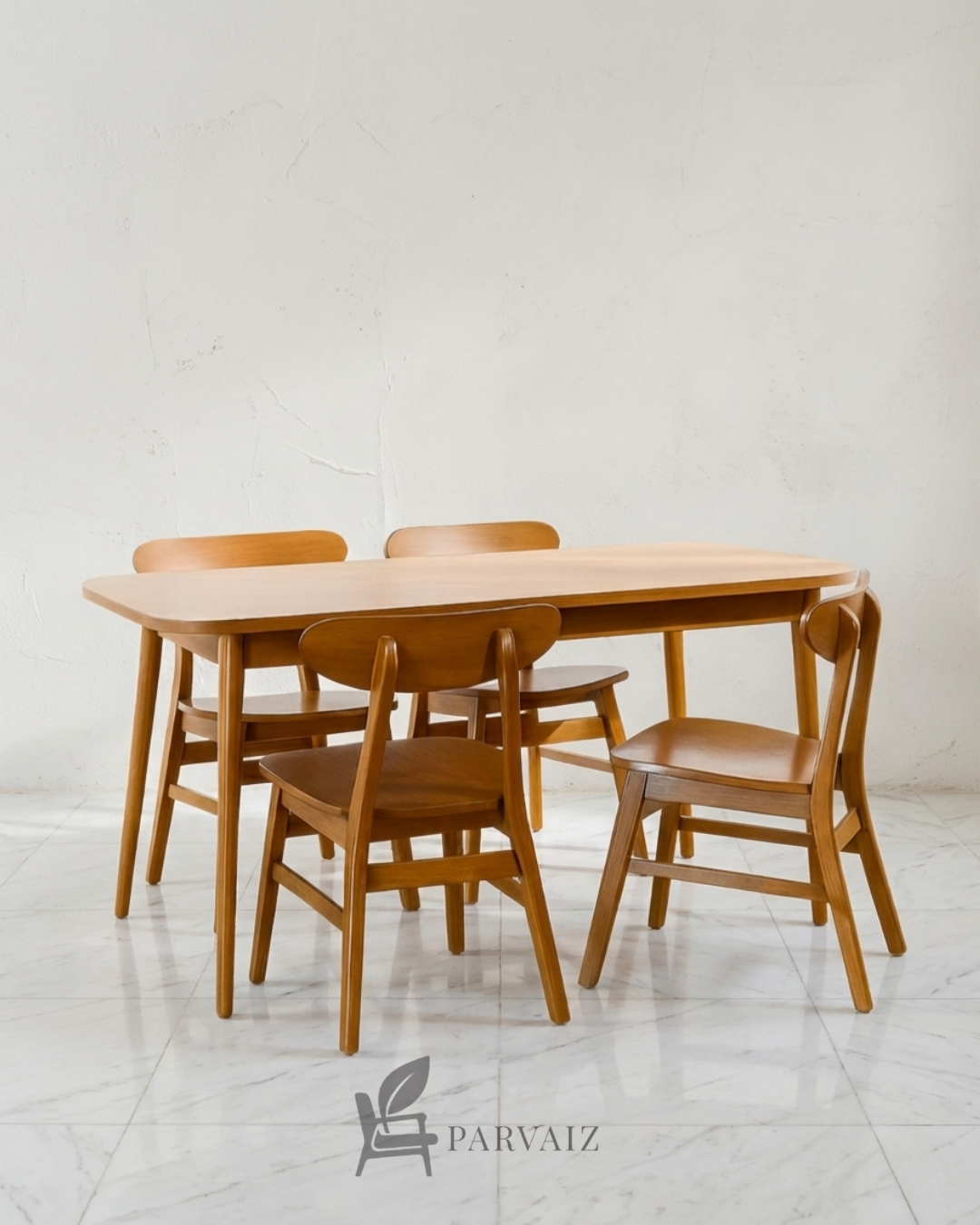
For B2B buyers, interior designers, and retail architects, sourcing the right fixtures is a high-stakes investment. The ambiance of a retail space directly influences consumer psychology and purchasing behavior. However, there is a massive difference between furnishing a private residence and outfitting a high-traffic commercial storefront.
While Central Java is famous for its residential woodworking, it is also a global hub for manufacturing premium commercial fixtures. If you are a business owner or a visual merchandiser, understanding the structural and functional differences between these two categories is essential.
Here is your B2B guide to choosing between commercial-grade retail fixtures and traditional residential pieces.
The Demands of the Retail Environment
In a residential setting, a dining table or shelving unit is handled with care by a few family members. In a retail environment, fixtures face relentless daily abuse. Thousands of customers will touch, lean on, bump into, and drag items across your displays every single month.
When you invest in custom furniture for store layouts, structural integrity and safety must override delicate aesthetics.
Weight Capacity: Commercial shelving must be engineered to hold heavy stacks of inventory (like denim, books, or ceramics) without bowing over time.
Scratch and Stain Resistance: Retail surfaces require heavy-duty, commercial-grade sealants. While a natural beeswax finish is beautiful for a dining room, store displays need catalyzed lacquers or hard-wearing polyurethanes that resist scratches from metal hangers, zippers, and constant cleaning.
ADA Compliance and Safety: Commercial pieces must often adhere to strict height and accessibility regulations, and they require wider, heavier bases so they cannot be accidentally tipped over by a heavy-handed customer.
The Nuances of Residential Design
Conversely, residential furniture is designed for intimacy, comfort, and intricate aesthetic details.
When curating collections for a luxury furniture home, Jepara artisans typically prioritize ornate hand-carving, delicate tapering on table legs, and ergonomic comfort. These pieces are meant to be admired up close and used in a controlled environment.
While a highly detailed, hand-carved teak cabinet is a breathtaking focal point in a living room, those same intricate carvings in a retail space will quickly collect dust, catch on customer clothing, and become a nightmare for your visual merchandising team to keep clean.
Structural Adaptations for B2B Clients
If you want the warmth and luxury of Indonesian teak in your boutique, hotel, or showroom, you must work with a manufacturer experienced in commercial adaptations. You do not have to sacrifice the beauty of the wood, but the engineering must change.
Reinforced Joinery: Compared to standard furniture home, Jepara B2B exporters will utilize heavy-duty mortise and tenon joinery reinforced with commercial-grade epoxy and concealed metal brackets for store fixtures.
Material Blends: To increase durability and achieve a modern "industrial chic" aesthetic, many retailers opt to blend solid Grade A teak with powder-coated iron or steel frames. This protects the vulnerable corners of the furniture from being chipped by shopping carts, strollers, or floor buffers.
Modularity and Visual Merchandising
The final major distinction is flexibility. A residential homeowner rarely moves their heavy teak armoire once it is placed. Retailers, however, need to completely overhaul their floor plans and visual displays every season or during major promotional rollouts.
Effective furniture for store environments must be modular. B2B buyers should look for nesting tables that can be expanded or compressed, shelving units with adjustable peg-holes, and display blocks mounted on heavy-duty, lockable casters. This allows your staff to quickly adapt the store layout without risking injury or damaging the furniture.
By clearly communicating your commercial needs to your manufacturing partner, you can successfully merge the legendary craftsmanship of Jepara teak with the heavy-duty performance required for retail success.