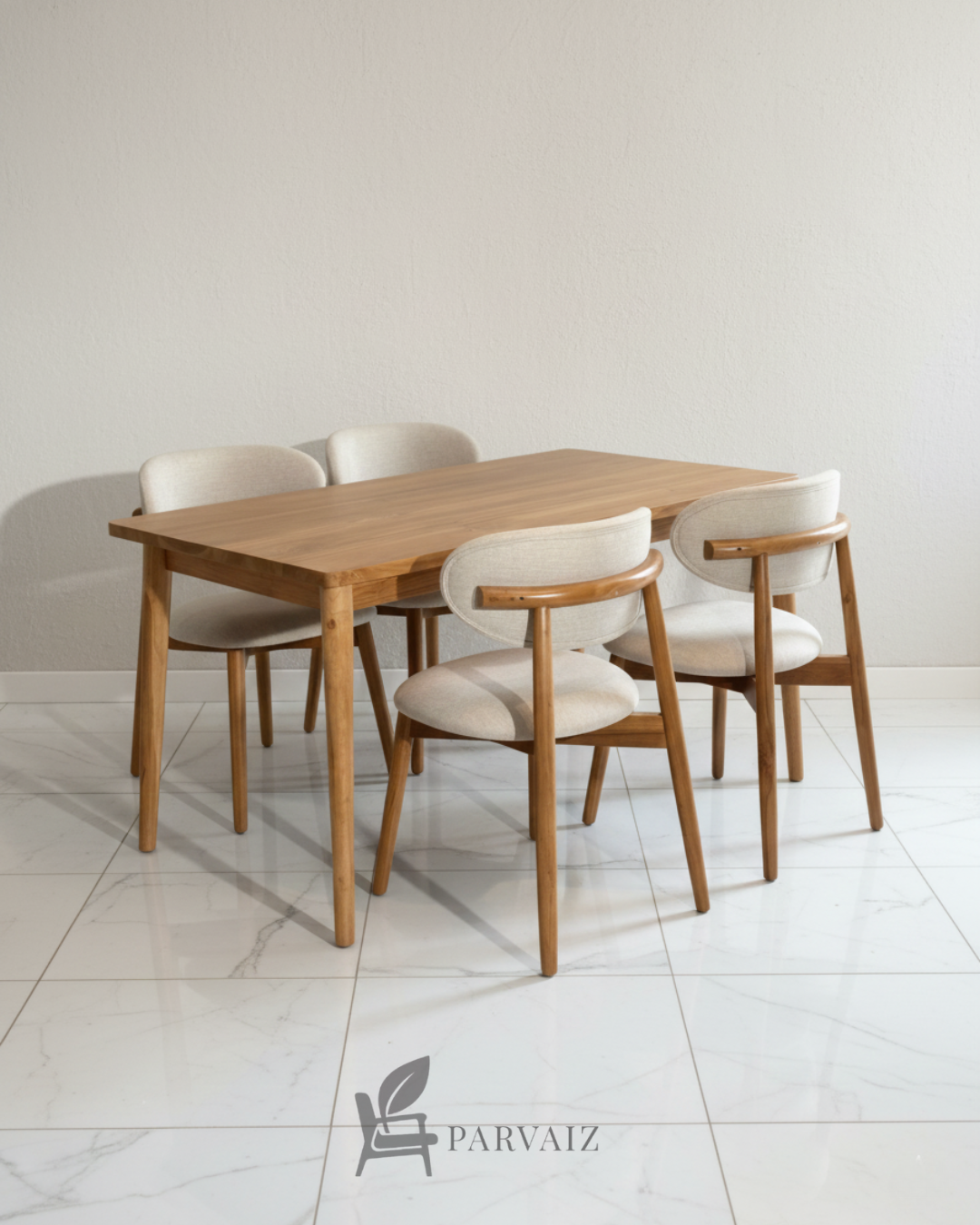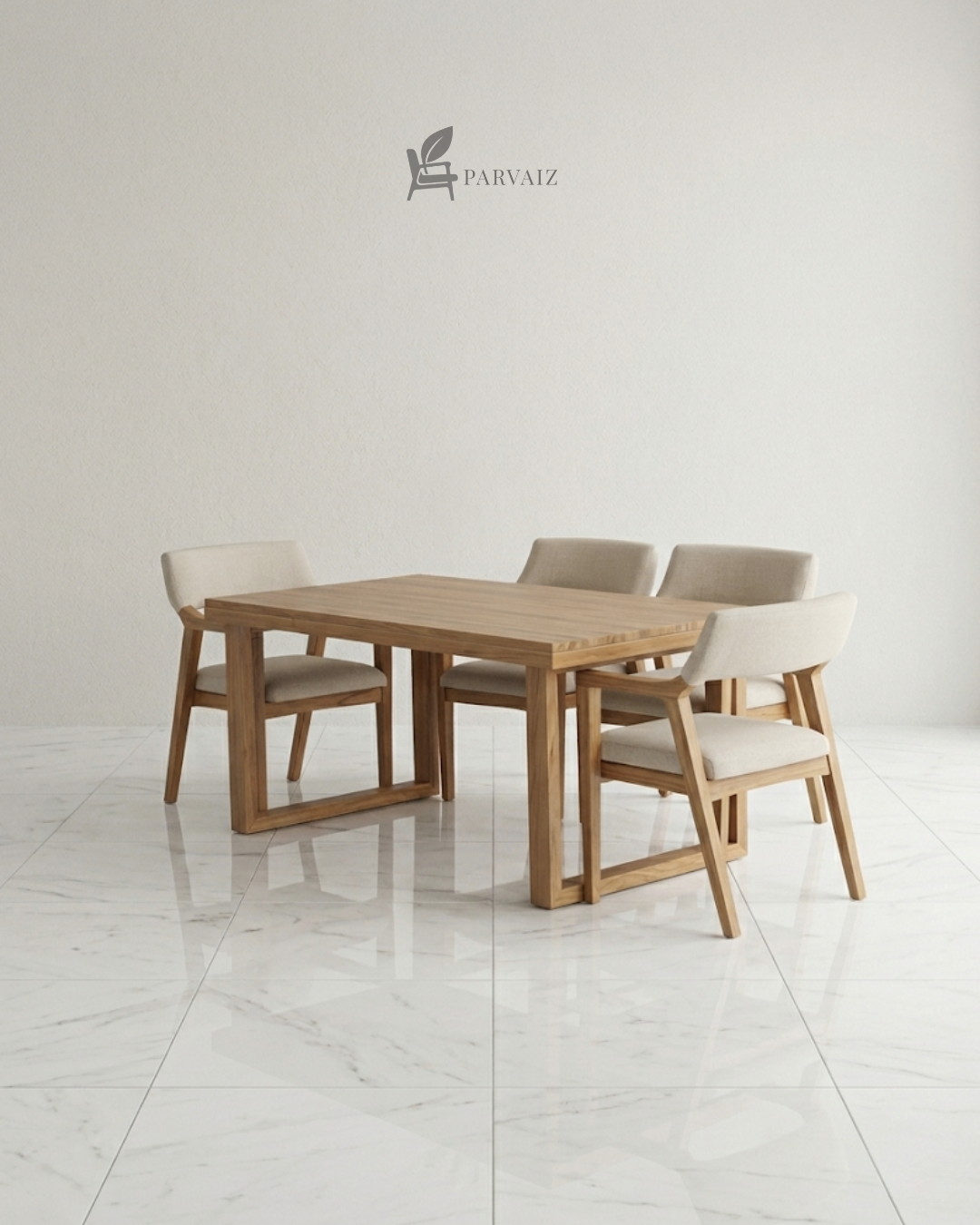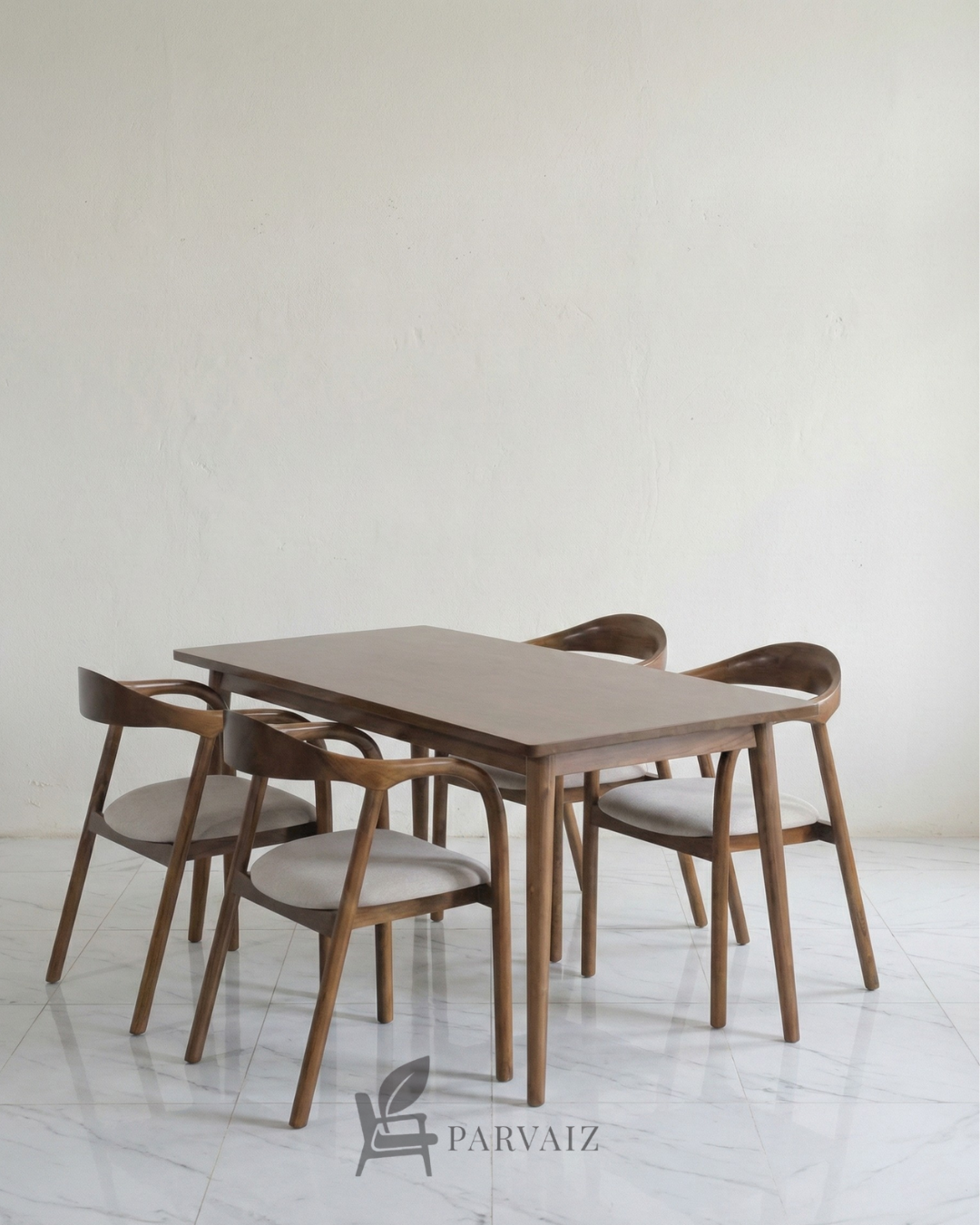
Walk into any high-end hotel lobby, modern restaurant, or luxury resort today, and you will notice a distinct shift in interior design. The industry is moving away from sterile, mass-produced "fast furniture" and returning to pieces with soul, character, and heritage. Yet, the aesthetic remains distinctly modern.
As we look at the hospitality and commercial interiors landscape in 2026, the most sought-after aesthetic is a seamless blend of two worlds. Contemporary wood furniture is no longer just about stark minimalism; it is about marrying the clean lines of modern design with the unmatched durability of traditional craftsmanship.
For interior designers and global buyers, understanding how these two elements interact is the key to sourcing furniture that looks incredible and lasts a lifetime.
The Foundation: Traditional Craftsmanship
When we talk about traditional craftsmanship, we are talking about the structural integrity of the piece. It is the invisible artistry that ensures a dining chair won't wobble after a year of heavy restaurant use.
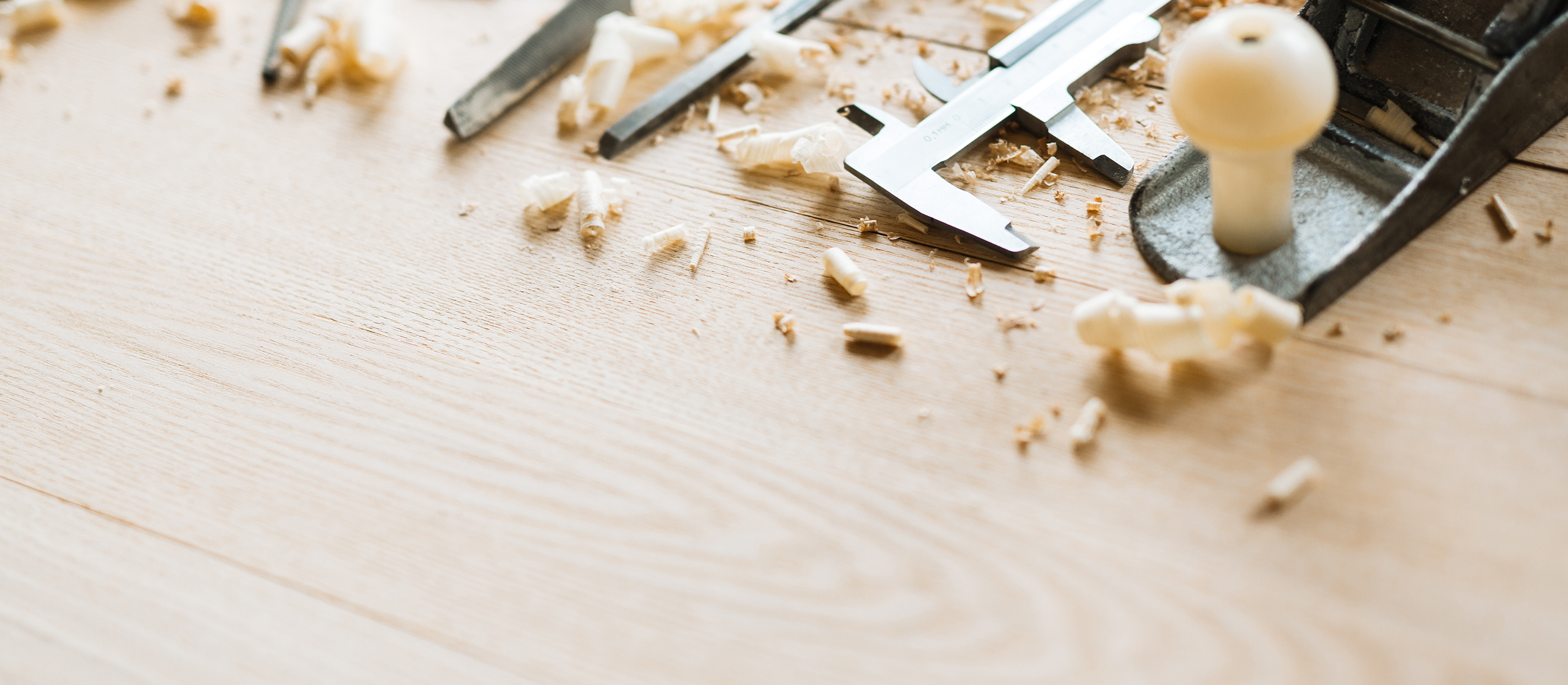
In the heart of Jepara, Central Java, traditional woodcraft means relying on time-tested techniques:
- Precision Joinery: Using mortise and tenon or dovetail joints instead of cheap metal fasteners that degrade over time.
- Material Mastery: Selecting premium, kiln-dried solid woods like Teak and Mahogany that behave predictably in different global climates.
- Hand-Finished Detailing: The human touch in sanding and finishing that machine-line production simply cannot replicate.
These traditional roots provide the essential "function" and longevity required for high-traffic domestic and international commercial spaces.
The Evolution: Contemporary Design
While the construction methods remain rooted in tradition, the visual execution must meet the demands of the modern consumer. Contemporary design focuses on the "form"—the sleek, uncluttered aesthetic that defines modern luxury.
Traditional craftsmanship modern design comes to life through:
- Clean, Geometric Lines: Stripping away overly ornate, heavy carvings in favor of smooth, sweeping curves and sharp, minimalist angles.
- Ergonomic Comfort: Designing pieces that don't just look like modern art, but actively support the human body for extended periods, which is vital for coffee shops and hospitality seating.
- Natural Textures: Allowing the beautiful, organic grain of the wood to act as the primary design feature, rather than covering it in heavy, dark stains.
Why This Fusion is the Ultimate B2B Solution
For hotels, restaurants, and cafes, replacing furniture every few years is a massive drain on ROI. You need pieces that capture the modern zeitgeist but possess heirloom-quality durability.
By combining contemporary design with traditional manufacturing, you get the best of both worlds. The furniture elevates the aesthetic value of your commercial space, impressing guests and patrons, while the underlying traditional construction ensures the pieces survive the daily wear and tear of the hospitality industry.
The Parvaiz Furniture Philosophy
At Parvaiz Furniture, this intersection of eras is exactly where we operate. We have built a strong foundation in traditional Jepara craftsmanship while maintaining a sharp, discerning eye for contemporary design.
Every piece of furniture we manufacture—whether destined for a local domestic project or an international export container—is engineered to be the perfect blend of form and function. We take the heritage of Indonesian woodworking and adapt it for the modern world.
Are you ready to bring contemporary elegance and traditional durability to your next project? Contact Parvaiz Furniture today to explore our custom manufacturing capabilities and browse our latest collections for the global market.