Upgrading Your Kitchen: The Appeal of Teak Bar Stools and an Authentic Indonesian Table
For years, interior design trends pushed for stark, all-white kitchens and sterile, stainless-steel dining rooms. However, in 2026, homeowners and designers are entirely pivoting toward "warm minimalism." People want their kitchens to feel like the true heart of the home—a space that is inviting, grounded, and full of character.
The easiest and most impactful way to bring warmth into a clinical kitchen or dining area is by introducing rich, natural textures. By carefully selecting handcrafted wooden furniture, you can completely transform the atmosphere of your culinary space.
Here is your room-specific styling guide to upgrading your kitchen with timeless teak.
Anchoring the Room with a Statement Dining Piece
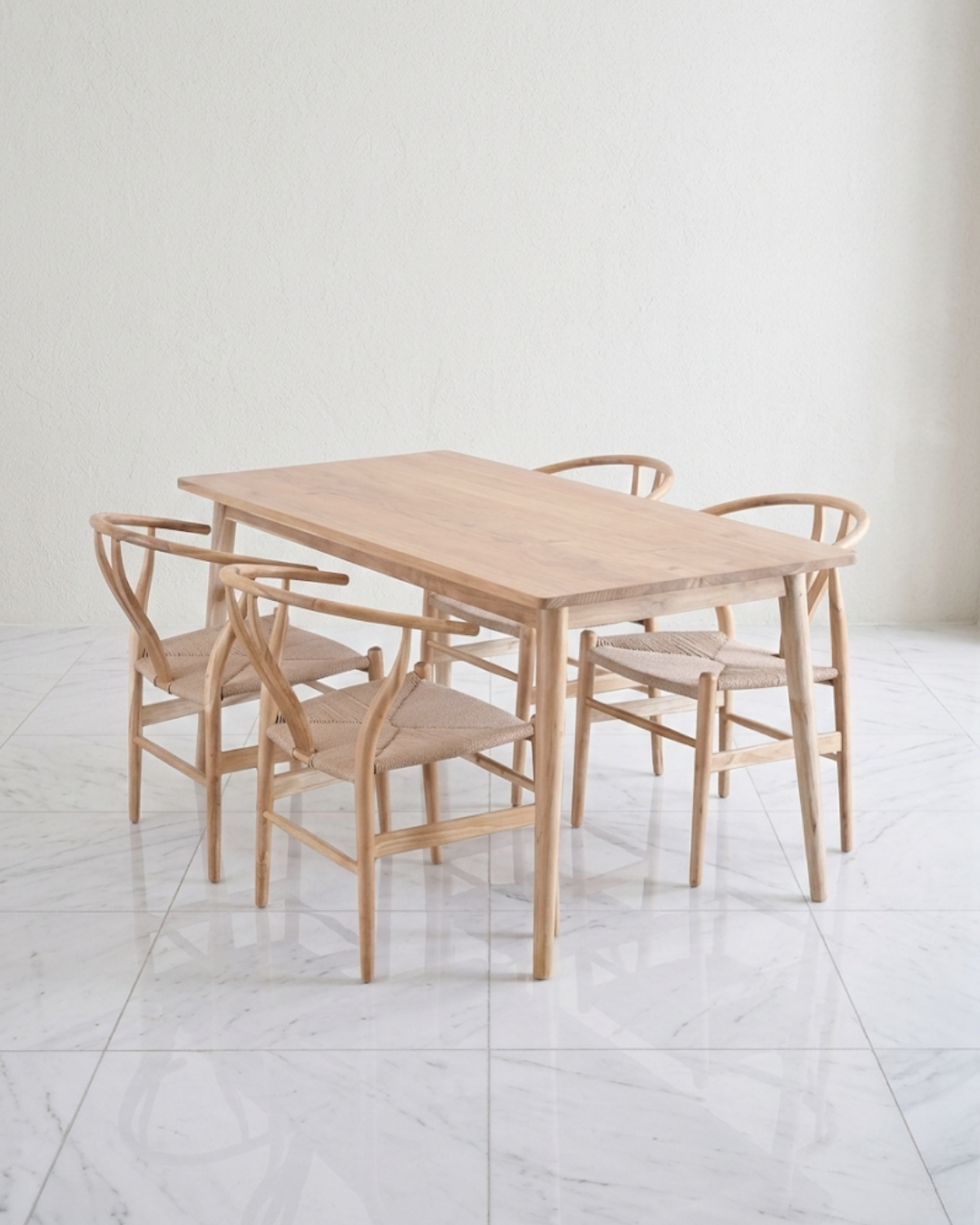
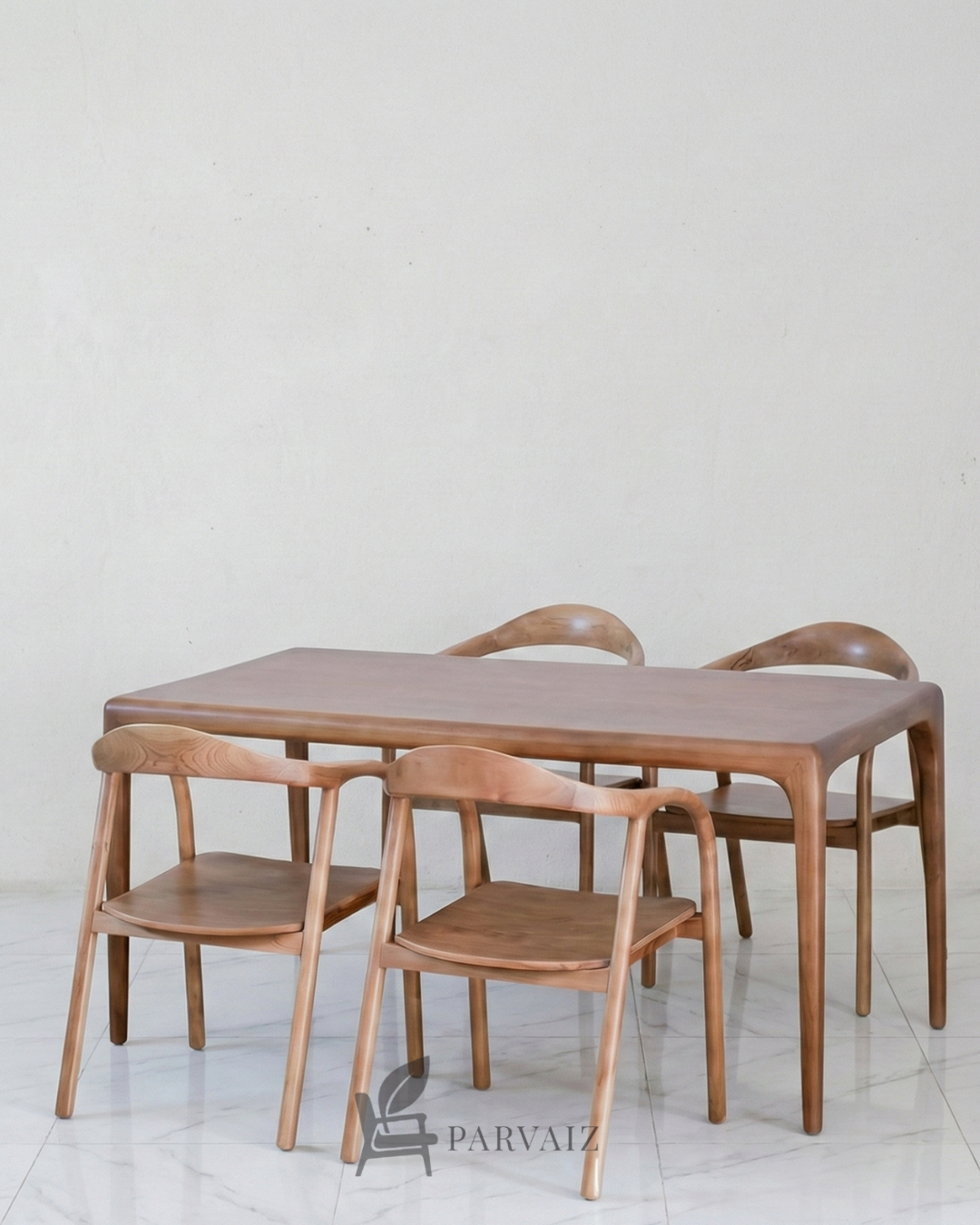
The dining table is more than just a place to eat; it is where families gather, homework is done, and celebrations happen. Because it serves as the visual and functional anchor of the room, it needs to possess both serious durability and aesthetic weight.
Swapping out a flimsy, mass-produced glass or veneer table for an authentic Indonesian table crafted from solid Perhutani teak immediately changes the room's dynamic.
The Visual Impact: The dense, golden-brown grain of natural teak adds instant luxury. Whether you choose a sleek, modern, live-edge slab or a traditional farmhouse-style cut, a solid Indonesian table acts as a stunning focal point that draws the eye the moment you walk into the room.
The Tactile Experience: There is a psychological comfort in sitting around a heavy, masterfully carved piece of solid wood. It feels permanent and substantial.
Elevating the Kitchen Island
If your home features an open-concept layout, your kitchen island is likely the most utilized surface in the house. It serves as a prep station, a makeshift home office, and a casual dining spot. Therefore, your island seating needs to handle heavy, daily traffic without deteriorating.
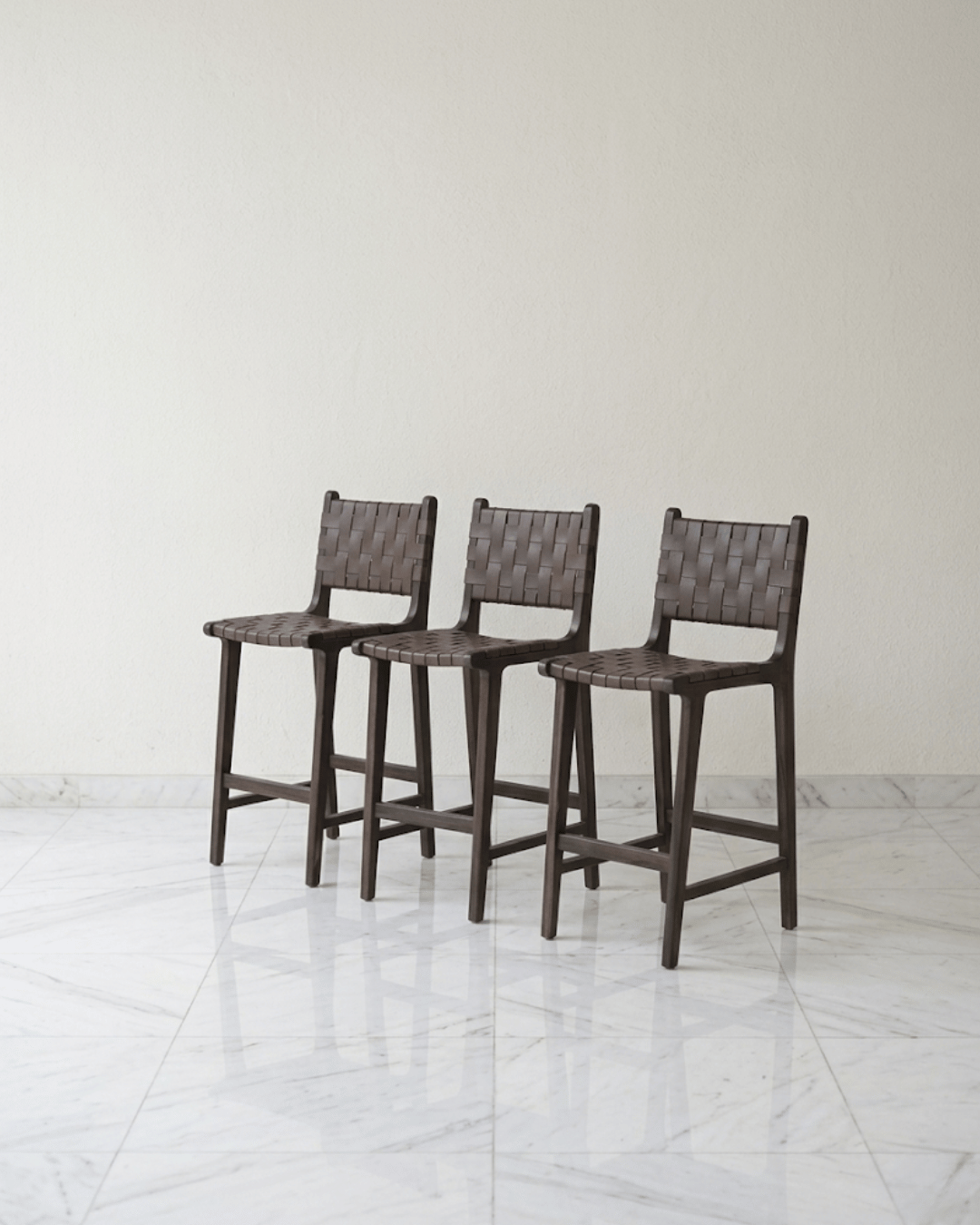
When upgrading your counter seating with bar stools, teak wood is unmatched in both durability and style.
Built for Real Life: Kitchens are high-spill zones. Unlike upholstered fabric chairs that stain easily or metal stools that can rust or dent, teak is packed with natural oils that repel moisture. If a drink spills, you simply wipe it away.
Design Versatility: For a modern look, opt for backless, minimalist teak stools that can tuck neatly under the marble counter. If comfort is your priority, look for beautifully woven rattan and teak hybrid designs with supportive backrests. When you invest in these bar stools, teak wood guarantees they will not wobble or weaken over time, even with children constantly climbing on and off them.
Blending Teak with Modern Kitchen Finishes
You do not need a traditional or rustic home to incorporate Jepara craftsmanship. In fact, teak looks its absolute best when contrasted with contemporary finishes.
Warmth Meets Cool: The rich honey tones of teak create a breathtaking contrast against cool-toned materials like white quartz countertops, subway tile backsplashes, and matte black or brushed brass hardware.
Softening the Edges: Modern kitchens often feature sharp, 90-degree angles and flat-panel cabinets. Introducing an Indonesian table with slightly rounded, hand-sanded edges or teak stools with organic, curved legs breaks up the rigid geometry of the room, making the space feel much more relaxing and livable.
Long-Term Care in a Culinary Environment
The kitchen environment exposes furniture to heat, grease, and moisture. Thankfully, solid teak is incredibly forgiving. To keep your dining set and seating looking pristine, simply wipe them down daily with a slightly damp cloth. Avoid harsh chemical degreasers, as these can strip the wood. For interior dining tables that see heavy use, a quick application of natural beeswax polish every six months will protect the surface from water rings and keep the grain looking vibrant for decades.