The History and Craftsmanship Behind the Authentic Indonesian Table
Furniture is rarely just functional; at its best, it is a form of physical storytelling. In a modern era overflowing with automated assembly lines and flat-pack convenience, buyers are increasingly searching for pieces that carry a sense of soul, history, and permanence.
Nowhere is this pursuit of heritage more beautifully realized than in Central Java. For centuries, the artisans of this region have been shaping the world's finest hardwoods into masterpieces of domestic life.
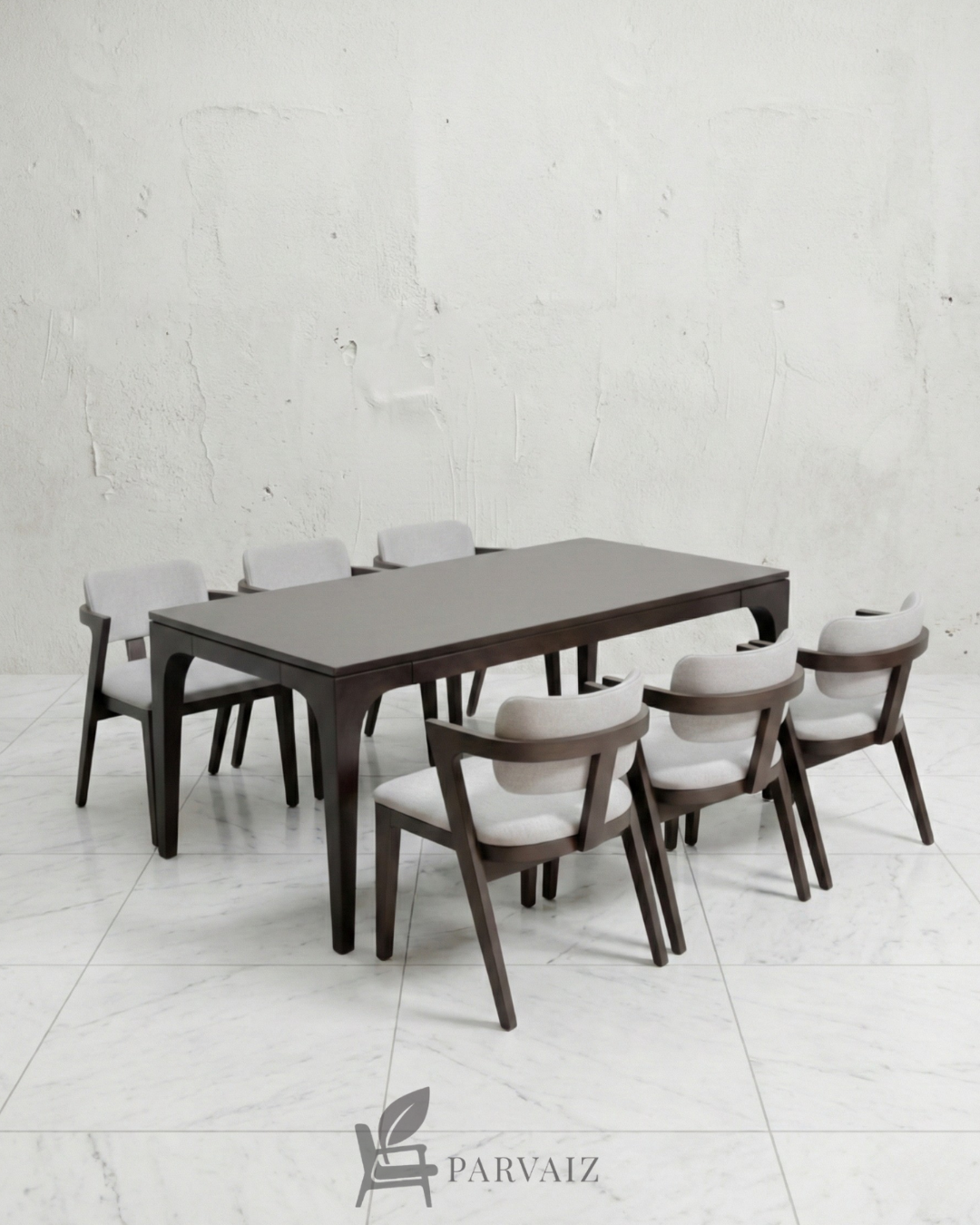
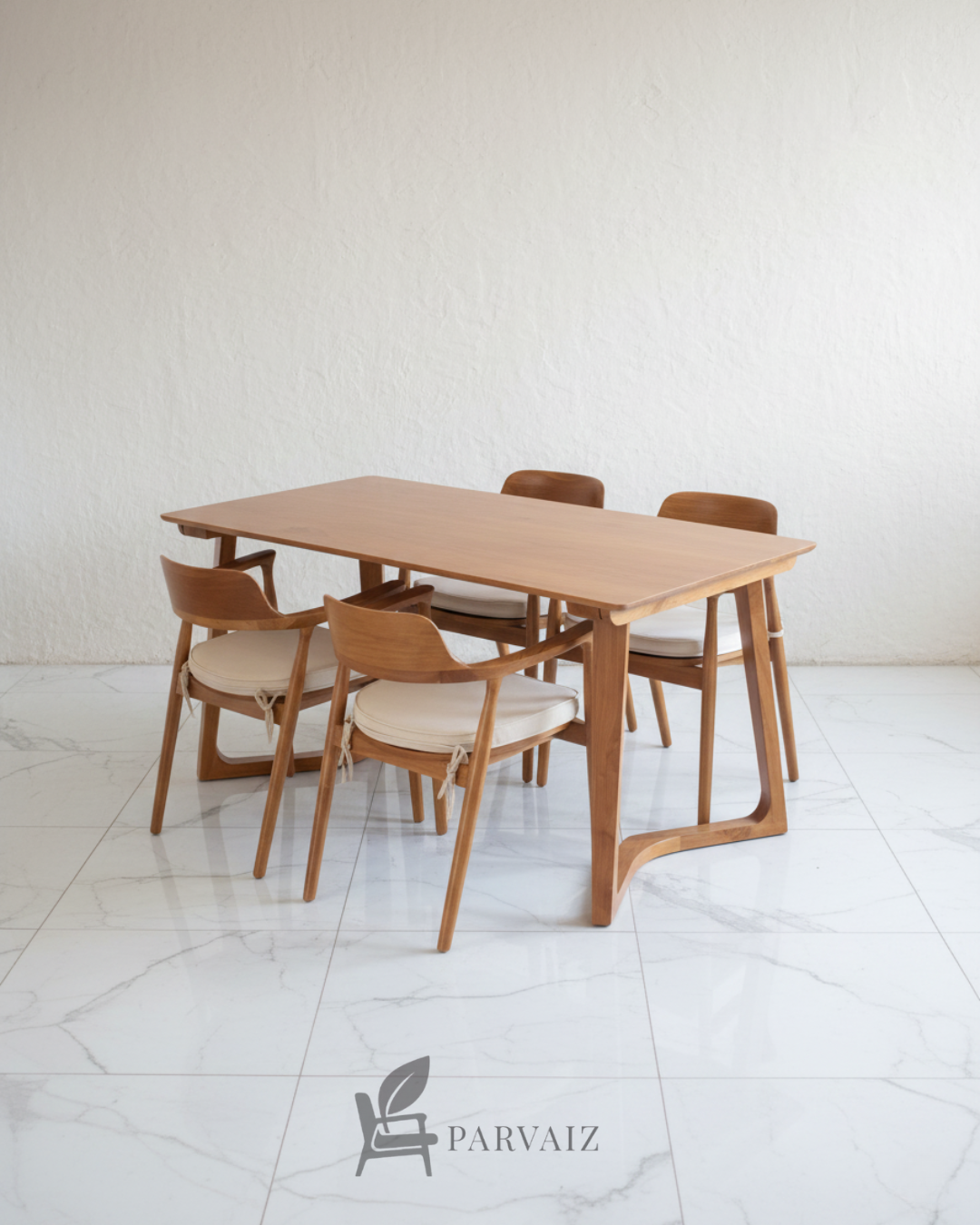
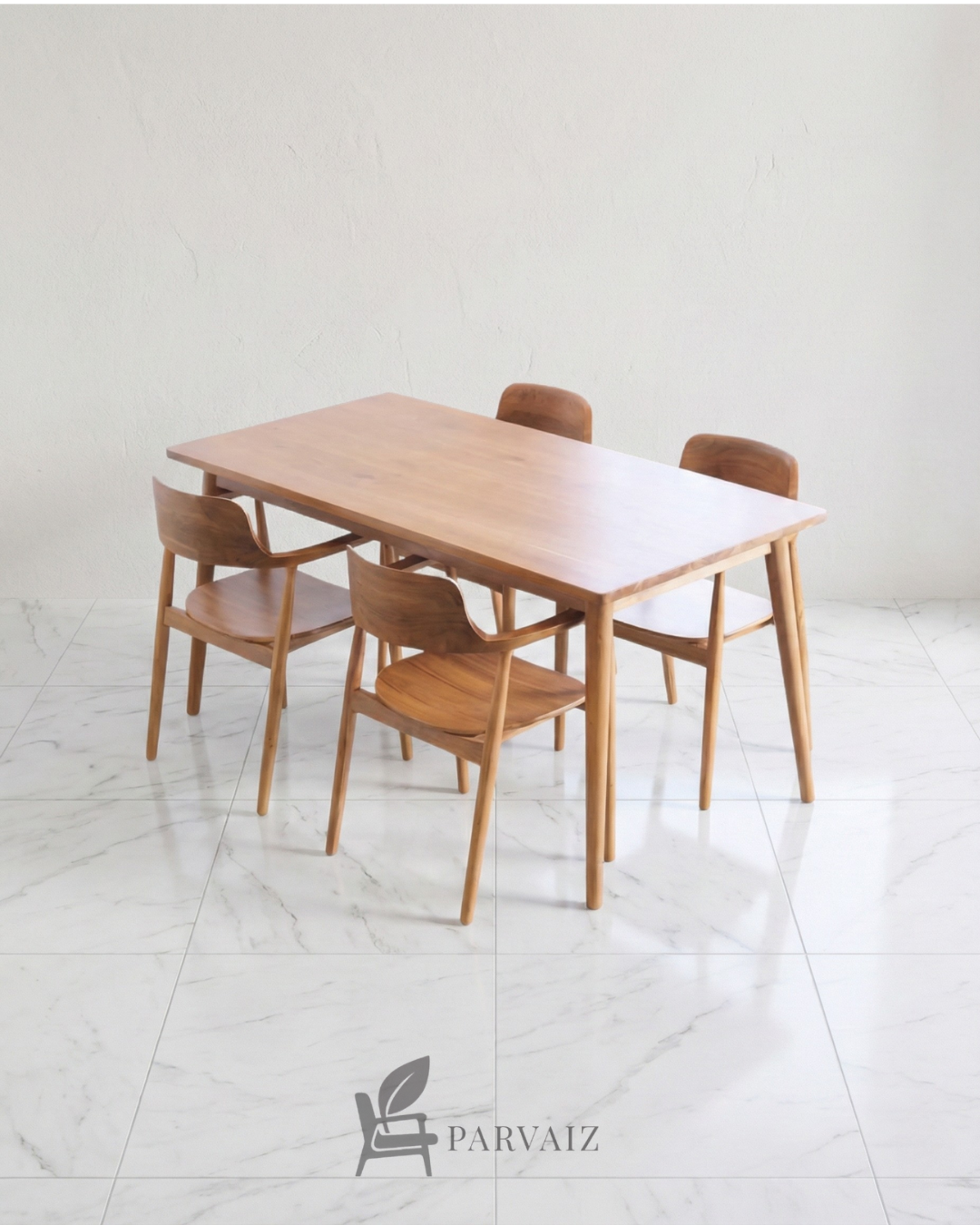
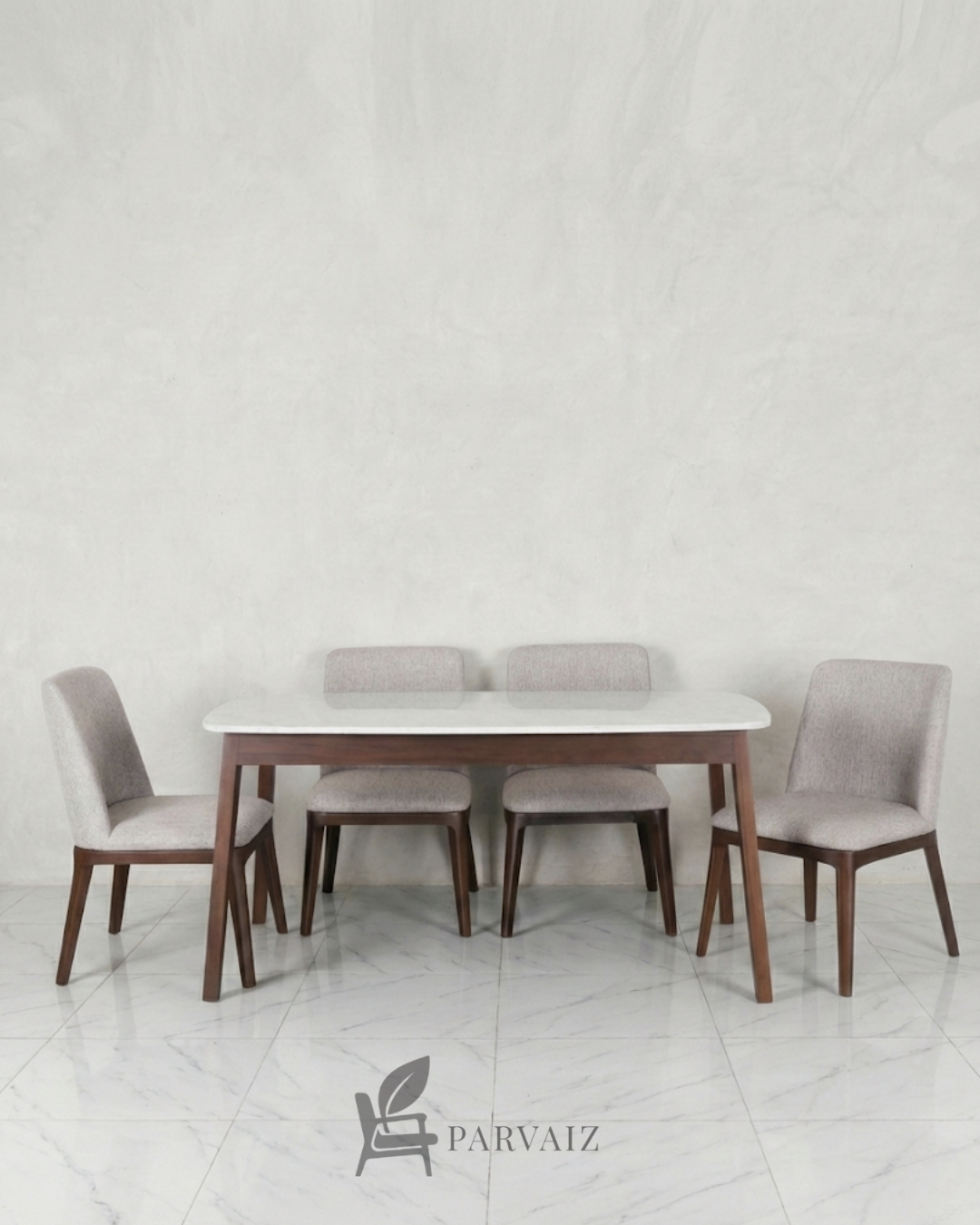
If you are looking to anchor your dining room or living space with something truly extraordinary, understanding the legacy behind an authentic Indonesian table transforms it from a mere piece of decor into a highly valued family heirloom.
The Royal Roots of Javanese Woodworking
The pedigree of Indonesian woodworking traces its roots back centuries to the era of the Majapahit Empire and the ancient royal courts (kraton) of Java. Historically, master carvers were commissioned by nobility to create grand architectural elements, palanquin carriages, and ornate seating that visually represented power and spiritual harmony.
Over generations, this hyper-specialized skill set became deeply concentrated in the northern coastal regency of Jepara. The knowledge of how to read the grain, when to cut the timber, and how to execute complex three-dimensional carvings was passed down from parent to child. Today, when you sit at a handcrafted Indonesian table, you are physically touching hundreds of years of refined, ancestral artistry.
The Foundation: World-Class Perhutani Teak
Masterful technique means nothing without a worthy medium. The global reputation of this region's craftsmanship is inextricably linked to the native Tectona grandis—Indonesian teak.
Regulated by the state forestry enterprise, Perhutani, the wood used for premium export pieces is harvested only after reaching full maturity. This Grade A heartwood is incredibly dense and saturated with natural oils and silica.
Within the realm of luxury teak furniture, this material is the undisputed gold standard. It guarantees that the table will not only resist termites, rot, and moisture but will also possess a deep, golden-brown luminescence that synthetic veneers simply cannot replicate.
The Art of Traditional Joinery
What separates a temporary piece of furniture from a generational antique is what happens beneath the surface. Mass-produced tables rely on metal screws, cam locks, and industrial glues that inevitably loosen and degrade as the wood naturally expands and contracts with seasonal humidity.
Authentic Javanese craftsmanship relies on the ancient physics of woodworking.
Mortise and Tenon Joints: Artisans carve precise interlocking pieces (a projecting tenon that fits perfectly into a corresponding mortise hole) that seamlessly fuse the legs to the tabletop.
Wooden Pegs: Instead of metal nails that can rust and stain the wood, traditional builders often use custom-carved wooden pegs to lock the joints in place. Because the peg and the table are made of the same material, they expand and contract together, ensuring the structural integrity of the table remains rock-solid for decades.
Evolution for the Modern Home
While the historical roots of these tables are deeply traditional, the aesthetics have brilliantly evolved to meet the demands of 2026 interior design.
You no longer need to live in a classical, ornate home to appreciate this craftsmanship. Today's artisans are masters of translation. They apply their ancestral joinery techniques to breathtakingly modern silhouettes. A contemporary Indonesian table might feature a thick, live-edge slab of suar wood resting on sleek, minimalist geometric teak legs, perfectly bridging the gap between raw nature and modern Japandi or Scandinavian design.
A Gathering Place Built for Lifetimes
Ultimately, the dining table is the most important focal point of domestic life. It is the surface where meals are shared, decisions are made, and milestones are celebrated. By choosing authentic teak furniture crafted by the artisans of Central Java, you are investing in a centerpiece that is structurally engineered to survive all of life's heavy traffic, while carrying a legacy of unmatched global craftsmanship.